

The house on Kings Highway was built in 1948. Back then, a bathroom down the hall and three steps to the front door were just how homes got built. Nobody thought about a wheelchair getting through that door. Your father did not think about it either, until the stroke last spring. Home modifications for wheelchair users usually start with a number that makes a full renovation feel impossible.
A full renovation means widened doorways, a ground-floor bathroom, and maybe a small addition. Contractors quote numbers in the tens of thousands before anyone swings a hammer. That kind of time and money is hard to find on short notice.
Why Older Homes Like This One Were Never Built for a Wheelchair
Houses built in Haddon Township in the 1940s and 1950s share the same bones. Narrow hallways, a single bathroom upstairs, and a step or two at every entrance. None of that mattered until it did.
A HUD-funded study looked closely at homes in the Northeast. Older housing stock there has fewer easily modified homes than the rest of the country. Inaccessible entrances are the reason why. That is not a coincidence in a town where most homes went up well before 1960. Charming old bones and a hard-to-reach front door often come from the same house.
Home Modifications for Wheelchair Users Do Not Have to Mean Full Renovation
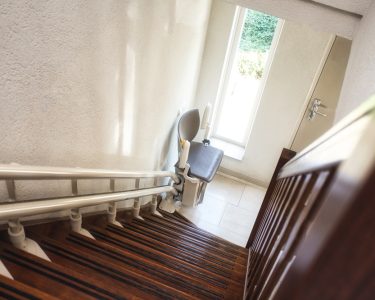
A full renovation solves the problem once, permanently, at full price. Most of what a household needs solves the same problem in pieces. A portable ramp at the front step costs a few hundred dollars. Grab bars and a shower chair can replace a gutted bathroom. A stair lift can replace moving a bedroom downstairs. These are all modifications that can be done to support aging in place.
What a Ramp and a Doorway Widener Solve
A threshold ramp takes an afternoon to place. Widening one doorway costs far less than widening every doorway in the house. Neither solves everything, but both solve the one thing that made daily life impossible last week.
How Haddon Township’s Housing Stock Makes This Harder
A twin or a Cape Cod from the 1940s rarely has a ground-floor bathroom. Moving your father’s bedroom downstairs solves the stairs problem overnight. It does not solve the single upstairs bathroom. That single bathroom usually costs the most to convert.
When you bring in personal care built for that transfer, someone helps your father reach that bathroom safely. That one change removes the single biggest daily risk in the house.
The Home Modifications for Wheelchair Users That Cost the Least
Grab bars near the toilet and shower run under a hundred dollars installed. A raised toilet seat costs less than a dinner out. A shower chair costs about the same. It turns an unsafe bathroom into one that works for now.
None of these fixes gets your father to physical therapy twice a week. A house full of steps does not make those trips easier. When you arrange transportation to those appointments, one more cost disappears from the list.
Why a Portable Ramp Beats Waiting for a Contractor
A contractor booked for a permanent ramp might not show up for six weeks. A portable aluminum ramp shows up in a few days. It works just as well for getting a wheelchair over three steps. It can also move with your father if he ever leaves that house.
What Wellness Care Adds When the House Itself Cannot Change
A stroke recovery is not just physical. Some days call for less hands-on help and more company than anyone can manage alone. That is what wellness care is built to cover.
Paying for Home Modifications for Wheelchair Users Without Draining Savings
Funding for ramps and other modifications is often available through vocational rehab agencies. The ADA National Network points to local independent living centers as another resource. Veterans may also qualify for a federal grant tied to a service-related disability. None of this covers a full renovation. Most of it covers the pieces a household needs first.
Does Every Home Need a Full Renovation for Wheelchair Access?
No. Some homes truly do, especially without room to add a downstairs bathroom. Most homes need two or three targeted changes, not a gutted floor plan. The ramp, the doorway, and the bathroom are usually the only three that count.
What Do Home Modifications for Wheelchair Users Cost on Average?
A single doorway widening runs about six hundred to two thousand dollars. A portable ramp costs a few hundred. Grab bars and a shower chair together often cost less than one month of permit fees for a full renovation.
Can Home Care Make Up for What the House Cannot?
Yes, in the ways that count most day to day. A caregiver can manage a transfer that no ramp will ever fix. That gets your father to the bathroom whether or not the house ever changes.
What Makes an Older Home Livable Again
The house on Kings Highway will never have a ground-floor bathroom without real construction. It does not need one this year. A ramp, a few grab bars, and someone there for the rest get your father through most days.
If you get that kind of help in place, it costs far less than the renovation everyone assumes comes first.
HUD User: Assessing the Accessibility of America’s Housing Stock for Physically Disabled Persons
ADA National Network: Funding Assistance for Home Modifications