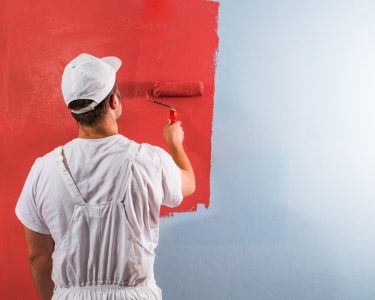


There’s much more than meets the eye in a painting quote. A good one goes far beyond simple price per square foot, and going into the process unprepared can be like walking into a trap. Interior house painting costs are driven by surface area, ceiling height, surface condition, paint quality, and number of coats. Any contractor offering interior painting services prices a job based on those factors before any numbers hit the paper.
What Determines Interior Painting Cost?
Room Size and Ceiling Height
Painters base their prices around paintable square footage, not floor area. A 12-by-14 room has 168 square feet of floor, but the walls at a standard 8-foot ceiling height add up to around 416 square feet of paintable surface before accounting for windows and doors. Ceiling height changes all the math. If a room has 9- or 10-foot ceilings, they require more paint and time. Over 12 feet high, and they might require staging or scaffolding, which adds to the cost.
Surface Condition and Prep Work
Prep is the biggest swing element. When a painter works on smooth, previously painted drywall in good condition, the job goes by quickly. But if they have to patch holes or sand uneven surfaces, that’s more time and labor out of your wallet, even if the rooms are the same size. Removing wallpaper can often take longer than the actual painting.
Primer also changes up the math. Surfaces with stains, dark colors being lightened, or repaired sections may need spot priming or a full prime coat. Painting contractor services can include walls, ceilings, trim, doors, and prep, but each surface changes the labor needs in a different way.
Paint Quality and Number of Coats
Paint costs range from around $25 to $40 per gallon for builder-grade products to $60 or more for premium lines. A cheaper paint applied over a dark color may require three coats to achieve what a premium paint achieves in two, and each extra coat adds both material and labor. Sheen is a separate decision: flat and matte for ceilings and low-traffic rooms, eggshell and satin for living areas, and semi-gloss for trim, doors, and bathrooms. Higher-sheen products cost slightly more per gallon and reveal surface imperfections more readily, which matters on older walls.
Interior Painting Cost by Room Type
Walls vs. Trim, Doors, and Ceilings
Walls are the easiest, most basic part of any job. Trim and doors need more careful brushwork around edges, profiles, and hardware. So, labor per linear foot of trim or square foot of door costs more than labor per square foot of open wall. Ceilings are usually basic to paint, but might require specialized equipment to access and more protection for floors and furniture.
Kitchens and Bathrooms vs. Living Spaces
Kitchens cost more per square foot than open living areas because there’s a lot in the way. Cabinets, appliances, backsplashes, and countertops require more masking and slower progress. Bathrooms are similar; they’re tight spaces with more edges per square foot of wall, which means more cutting-in than open rolling. They also require moisture-resistant paint that costs more than standard interior product. Homeowners pricing a bathroom renovation should account for painting as a separate line item. Open living areas and bedrooms are the most efficient rooms to paint because long open walls and standard ceiling heights let a crew move quickly.
How to Get an Accurate Interior Painting Quote
What a Reliable Quote Should Include
A written quote should break down labor and materials separately. Labor should specify what surfaces are being painted, how many coats are included, and what prep work is part of the scope. Materials should name the paint brand, product line, and sheen. “Premium paint” by itself is incredibly vague and doesn’t tell you anything. A painter who provides a written bid and price guarantee before work begins is telling you the number you agree to is the number you pay.
The inverse is also true: every quote should specify what’s not included, as well. Furniture moving, wall repairs, wallpaper removal, ceiling painting, trim painting, door painting, and color changes are often treated differently from basic wall painting. If those items are not listed, ask before you compare the bid to another painter’s.
Red Flags in a Painting Estimate
A quote with no prep line item means prep is either being skipped or bundled invisibly. Ask either way. A quote that does not name the paint brand or sheen makes it harder to compare it to someone else’s. Verbal-only quotes leave no shared reference point if disagreements arise. A bid that comes in 40 percent below the others almost always means something is being left out: prep, a coat of paint, quality materials, or licensed and insured labor.
What to Ask Before Hiring a Painter
- Are you licensed and insured? In New Jersey, painting contractors must be registered with the state. Ask for the license number and verify it. Insurance should cover general liability and workers’ compensation. Without it, a crew injury on the job can expose the homeowner.
- Who does the actual work? Some companies quote the job and subcontract the crew. Knowing this upfront matters for quality control and accountability if something goes wrong.
- What does the warranty cover? Labor-only warranties are common. Painters who warranty both labor and materials are making a more substantive commitment than those who cover labor alone.
- Who buys the paint? Some painters include paint in the bid. Others ask the homeowner to purchase materials separately. Neither setup is automatically wrong, but the quote should make the arrangement clear so you are not comparing a labor-only bid against a labor-and-materials bid.
Frequently Asked Questions
How much does it cost to paint the interior of a house?
The national average runs roughly $2,021, with most projects falling between $966 and $3,087 according to HomeAdvisor. Whole-home repaints on larger homes, homes with tall ceilings, or homes needing extensive prep can run higher.
How much does it cost to paint a single room?
A standard bedroom or living room with walls only and in good condition typically runs $300 to $800 depending on size and local labor rates. Adding ceiling and trim raises that range. Kitchens and bathrooms run higher per square foot due to obstacles, edge work, and moisture-resistant products.
How often should interior walls be repainted?
Most interior walls hold up well for five to seven years under normal conditions. High-traffic areas, including hallways, kitchens, and children’s rooms, may need attention sooner. Flat finishes show wear faster than eggshell or satin, which are easier to clean and touch up. Interior painting fits naturally into a broader home maintenance schedule because repainting at the right interval prevents the walls from falling into disrepair.
What prep work can I do myself to reduce the quote?
You can usually remove small wall decor, clear furniture away from the walls, take down curtains, and patch very minor nail holes if the painter agrees. Do not sand glossy surfaces, remove wallpaper, or patch larger damage unless you know what you are doing. Bad prep can cost more to correct than it saves.
Should I choose the cheapest interior painting quote?
Not without comparing scope. The cheapest quote may be fine if the painter is efficient and the surfaces are in good condition. It becomes risky when the bid does not name the paint product, prep work, coat count, insurance status, warranty, or whether trim and ceilings are included.
Before You Sign the Painting Quote
Two quotes on the same house can look very different because they are describing different jobs. One may include wall repairs, two finish coats, trim, doors, and premium washable paint. Another may cover walls only with minimal prep and a lower-cost product. The difference usually becomes obvious during the first week of work, when the crew either has a clear scope to follow or has to stop and ask whether a repair, extra coat, or missed surface was included. The quote worth signing is the one that answers those questions before anyone opens a paint can.
Sources
- Angi — interior painting cost by room and square footage: https://www.angi.com/articles/how-much-does-it-cost-paint-room.htm
- HomeAdvisor — cost to paint interior of house: https://www.homeadvisor.com/cost/painting/paint-a-home-interior/
- Benjamin Moore — paint finish and sheen selection guidance: https://www.benjaminmoore.com/en-us/interior-exterior-paints-stains/how-to-advice/painting-101/choosing-paint-finish