

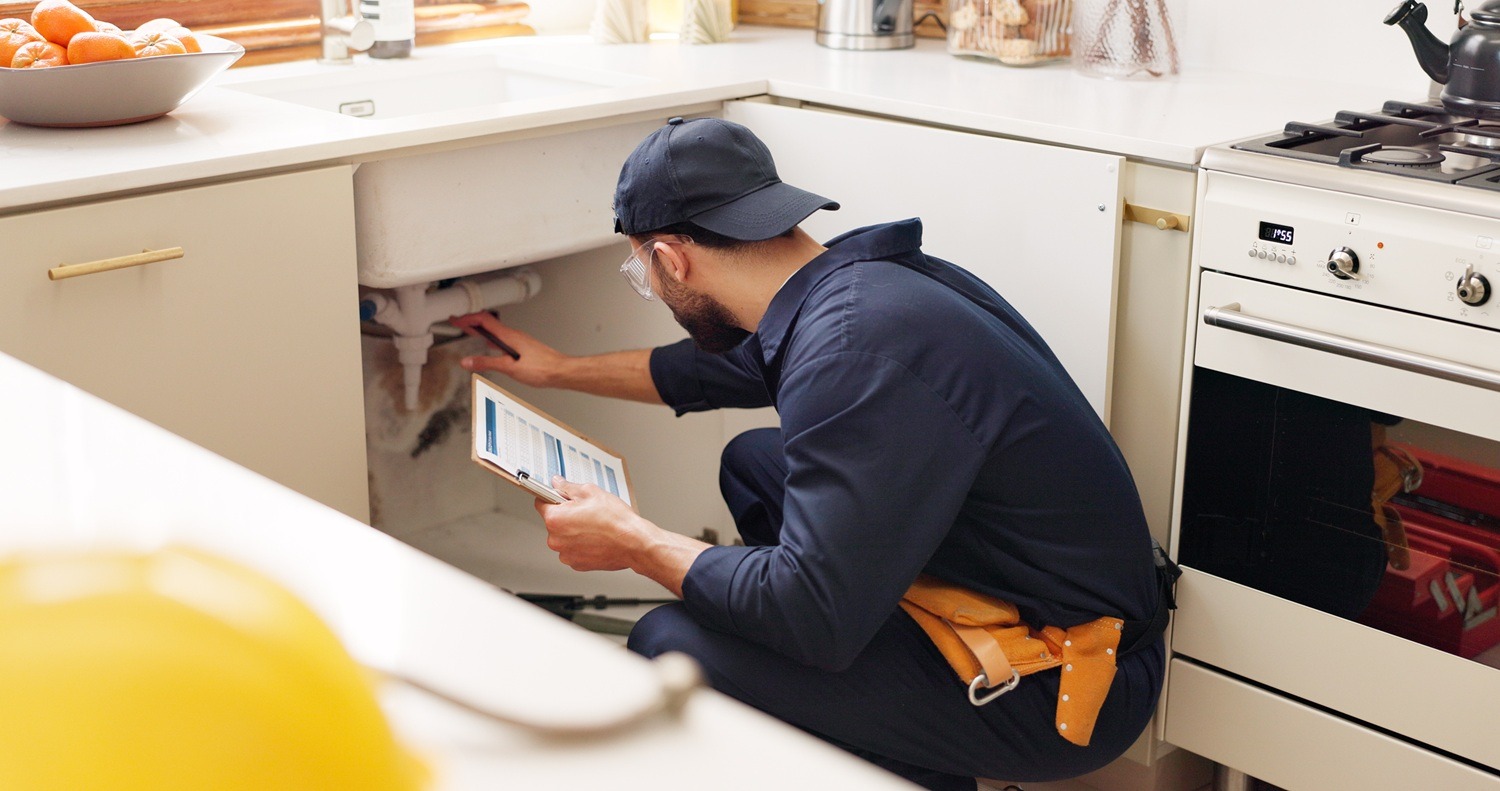
Plumbing is usually overshadowed by the flashier aspects of a kitchen or bathroom remodel. Homeowners always focus on the finishes, tiles, cabinets, and fixtures. But plumbing is the underlying element that controls everything. No plumbing, no remodel. That’s why a home plumbing inspection is almost always worth it. Homeowners can get a better look at the system before walls, floors, cabinets, and tile are opened up or covered over. Calling upon your local residential plumbing services gives you a better grasp on the condition of your home’s water supply, drains, shutoff valves, and water heater before demo day, while there is still time to adjust the budget or scope.
What a Home Plumbing Inspection Covers
This is much more than a quick look under the sink. A licensed plumber works through the home’s full water system: supply lines, drainage, pressure at multiple points, valve condition, visible corrosion, and the water heater. Any issues lurking behind your walls are exposed now, before any drywall comes down.
Water Pressure and Supply Lines
Pressure is usually one of the first things a plumber checks. Most homes should run between 40 and 80 PSI. 80 is the code ceiling under the Uniform Plumbing Code, and anything above it requires a pressure-reducing valve. Anything below 40 is worth investigating because low pressure can indicate issues that need fixing, like a partially closed shutoff, a failing pressure regulator, or corrosion narrowing the supply line from the inside.
Homes built before the mid-1980s often still have galvanized steel supply pipes. Over the decades, those pipes may have corroded from the inside out, which can restrict flow. Copper is more durable, but still isn’t immune to leaks or the issues that come from water chemistry and poor installation. No good plumber will say “the water works.” That tells you nothing. You need a better idea of what materials are present, which sections are aging, and whether your plumbing needs updating before the rest of the remodel can commence.
Drain Flow and Waste Lines
Slow drainage is usually attributed to fixtures, but they aren’t always the culprit. Older homes, in particular, might have outdated materials, like cast iron or clay tile, in their drains. If that’s the case, inspectors might recommend running a camera down the main sewer line. This can reveal issues like root intrusion, collapsed sections, standing water, heavy buildup, or cracks. Of course, camera inspections can also reveal other sewer line replacement and drain service that might come up in homes that haven’t had plumbing work in decades.
One slow drain in one bathroom is usually a local clog. But when every drain is working slowly, there’s usually an issue farther down the line. Local clogs just need local repairs, but reaching a failed drain line is much more invasive.
Water Heater and Shut-Off Valves
Most tank-style water heaters last about 8 to 12 years, depending on the unit, water quality, maintenance, and usage. An inspector checks the age, looks for signs of sediment buildup, and tests the pressure relief valve. If the unit is already past its useful life, it’s usually better to replace it before starting a full remodel.
Shutoff valves get checked too: the main shutoff, the valves under sinks, the valve behind the toilet, and any accessible fixture stops. Valves that have not been turned in years can seize, and that’s not something you or your contractor wants to happen in the moment.
Signs Your Plumbing Needs Attention Before a Remodel
A remodel changes access. Once floors, cabinets, tile, and finished walls are in place, even a small plumbing repair becomes more expensive and more disruptive. Here are some warning signs worth checking out before committing to the remodel.
Slow Drains and Recurring Clogs
A drain that clogs once and clears with a plunger is usually a minor issue. One that clogs every few weeks despite repeated clearing points to a larger issue. If it’s always the same fixture, there could be a partial blockage that keeps getting worse, or a venting problem pulling air through the trap.
When multiple fixtures drain slowly at the same time, the problem is almost always in the main line. Fixing that takes some intense work, and demonstrates how your remodel budget should account for plumbing work before finishes are installed.
Discolored Water, Low Pressure, or Rising Water Bills
Rust-colored water from the tap in an older home often points to corroding galvanized pipes. The water is taking in rust from the pipe’s inner walls, and the problem usually gets worse over time. Continued corrosion can lead to pinhole leaks, reduced flow, and eventual failure. A plumber doing leak detection and repair can also find slow, hidden leaks inside walls or under slabs. These are the leaks that leave you scratching your head when your water bill keeps getting higher.
The same applies to unexplained low pressure. If one fixture has poor pressure, the issue may be local. If the whole house has weak flow, the problem may sit at the main shutoff, pressure regulator, service line, or aging supply piping.
When to Schedule a Home Plumbing Inspection
Before Any Kitchen or Bathroom Remodel
Kitchens and bathrooms concentrate more plumbing in a small space than anywhere else in the house. Opening those walls shoves whatever’s back there right into center stage. Getting the inspection done before finalizing design gives you time to fold any repairs into the budget. Just a single corroded supply line requires a small fix and the remodel’s back on track. But finding the same issue after grouting tile and installing cabinets will require backtracking.
A pre-remodel inspection is especially useful when you plan to move fixtures. Moving a sink, shower, toilet, dishwasher, or washing machine can affect supply sizing, venting, drain slope, and shutoff access.
In Homes Over 30 Years Old
Homes built before 1990 were often plumbed with materials that have known aging patterns. Galvanized steel corrodes. Polybutylene, a common material used from the late 1970s through the mid-1990s, has a history of cracking, leaks, and class action litigation. A 1995 settlement in Cox v. Shell Oil covered approximately 6 million homes and resulted in nearly $950 million in compensation. Cast iron drain lines can crack, corrode, or scale internally with age.
Some homeowners with older properties don’t even know what’s behind their walls; they could be totally unaware of the materials or their age. That’s a huge problem when you consider that older plumbing can look acceptable from the finished room while failing behind walls, under floors, or inside the main drain line. It also fits naturally into a broader home maintenance schedule. The point is not to turn every inspection into a repair project, but to figure out which issues actually warrant repairs and which ones can simply be monitored. Many licensed plumbers also offer annual plumbing inspections as part of a maintenance plan, which gives you a documented baseline to use when planning a remodel.
Home Plumbing Inspection Costs and What to Expect
A basic visual plumbing inspection is usually a low-hundreds service, though the exact price depends on the home’s size, the plumber’s rates, and whether the visit includes written documentation. A sewer camera inspection can add to that cost because it requires specialized equipment and more time. Some plumbing companies bundle a visual inspection and sewer camera work into a flat fee, so it is worth asking about scope before booking.
You should always get a written report at the end. That report should include what needs immediate attention, what can wait a season or two, and what is in acceptable working condition. Use it as a living document and show it to the plumber you hire for the actual renovation.
Ask whether the inspector also does repair work. Some homeowners want a plumber with no financial stake in the findings. Others prefer one contractor who can inspect, price, and repair the issue. Knowing which one you hired before the visit avoids a potentially very awkward conversation.
Questions Homeowners Should Ask Before Booking
- Does the inspection include a sewer camera?
- Will I receive a written report?
- What happens if the inspection finds a problem?
- Is a plumbing inspection different from a standard home inspection?
- How often should you get a home plumbing inspection?
- Can a home plumbing inspection find hidden leaks?
Before You Start Picking Finishes
A home plumbing inspection gives you a clearer picture of what is behind the walls before a remodel changes the access points. That matters most in kitchens, bathrooms, laundry areas, and older homes where the plumbing may be decades older than the finishes. The inspection will not make every remodel predictable. It can, however, catch the kinds of problems that turn a fixture upgrade into a schedule delay: a seized shutoff, an aging water heater, a clogged main line, a corroded supply pipe, or a drain that cannot support the new layout.
Finishes are easier to choose than plumbing repairs are to undo. That is why the plumbing should be checked before the room starts coming apart.
Sources
- Angi — residential plumbing inspection cost ranges: https://www.angi.com/articles/plumbing-inspection-cost.htm
- IAPMO Uniform Plumbing Code — 80 PSI maximum static pressure standard for residential water supply systems: https://eofficial.org/uniform-codes-spotlight-august-29-2024/
- Lieff Cabraser Heimann & Bernstein, LLP — Cox v. Shell Oil polybutylene class action: $950M settlement, approximately 6 million homes affected: https://www.lieffcabraser.com/defect/polybutylene-piping/