
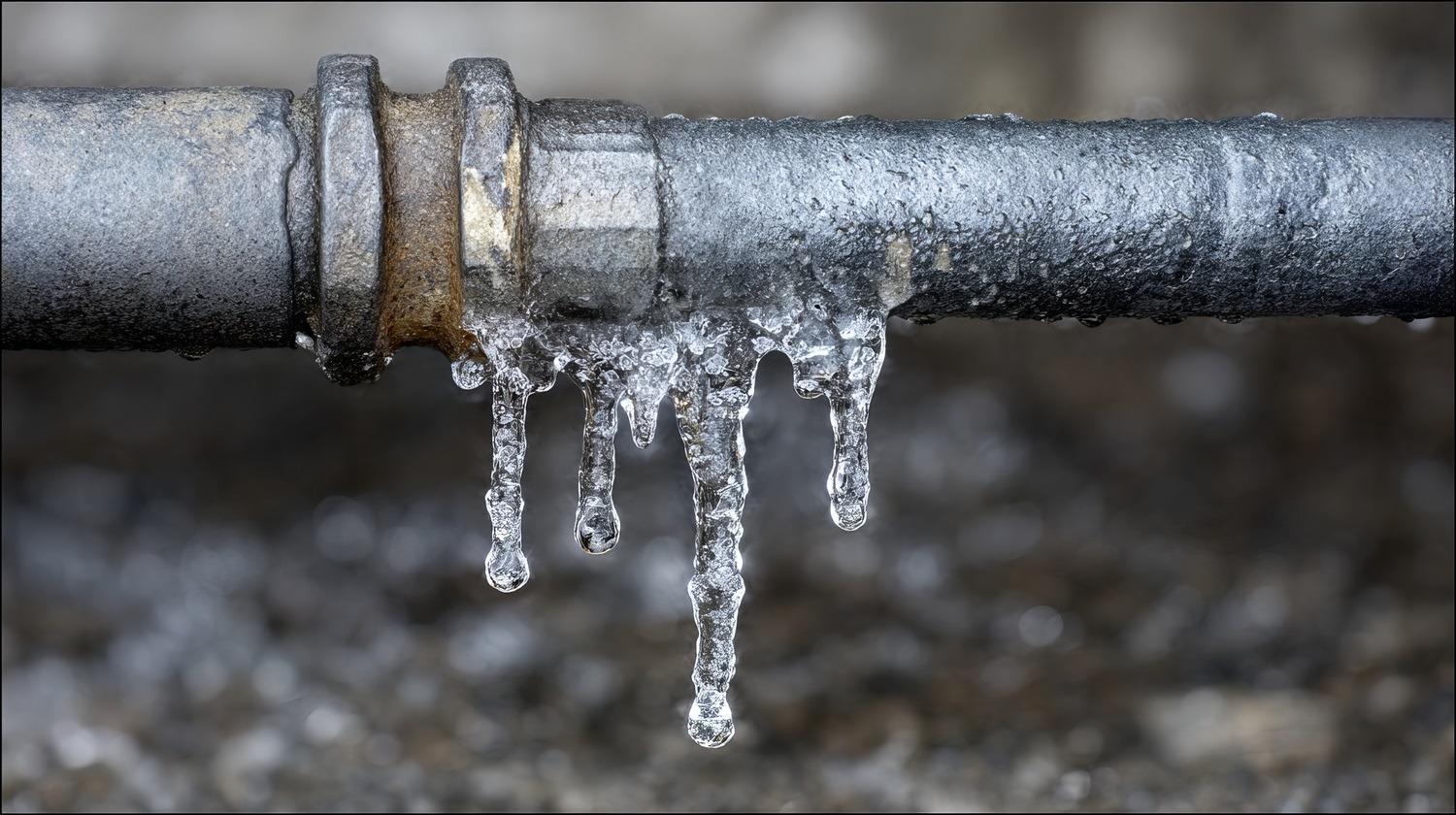
Temperatures are dropping in New Jersey, and that means frozen pipes can rear their ugly heads at any moment. They can be deceptive, too; commonly hidden behind the cabinets or cold walls, causing exorbitant amounts of damage. Let’s explore how you can keep your pipes from freezing in the first place, and what to do if one does.
Quick Answer
Frozen pipes are most common in poorly insulated or unheated areas during long cold spells. Protect exposed lines, drain outdoor faucets, and keep indoor heat steady before a freeze. If a pipe freezes, open the faucet and warm the reachable section gently, never with an open flame. For a burst or leaking pipe, shut off the main water supply.
Why Frozen Pipes Are a Particular Concern in New Jersey
New Jersey has a particularly diverse climate. Someone in Sussex County might need to take precautions against frozen pipes, but someone else on Long Beach Island might still be using their outdoor hose. Northern and inland areas usually freeze earlier and harder, while ocean water keeps the coast milder. Most of the state outside the coast and cities sees its first freeze by the end of October. That makes late October the date to add outdoor faucets to a seasonal home maintenance schedule.
But that first freeze doesn’t guarantee frozen pipes. For a pipe to freeze, the cold needs to last. Rutgers University’s Office of the New Jersey State Climatologist reported that in January 2026, at least one of its stations hit freezing or below every single day. The final 16 days of that month averaged 13 degrees colder than the first 15. Stretches like that will certainly led to some frozen pipes.
Unheated basements, crawl spaces, attics, and garages are common places for frozen pipes, according to the American Red Cross, along with poorly insulated exterior walls. Kitchen sinks against outside walls are also common culprits. The room can feel comfortable, but the pipe behind the cabinet sits in a cold cavity and freezes by morning. Reaching that run from inside the cabinet, or through the wall behind it, is often part of frozen pipe repair.
Keeping Pipes From Freezing When Temperatures Drop
Start with the outdoor hose bib. If a garden hose stays attached, water can stay trapped near the outdoor faucet. Disconnect and drain the hose before freezing weather arrives. If the faucet has an interior shutoff valve, close it and open the outdoor tap to drain the remaining water, following the maker’s instructions.
Inside, open the cabinet beneath a kitchen sink on an exterior wall. A noticeable draft around the pipe openings means cold air may be reaching the same space as the water lines. Sealing around those openings can help, as long as the work doesn’t interfere with plumbing or venting rules.
Exposed pipes in unheated spaces can use foam sleeves or approved heat cables. Heat cables need careful installation and electrical safety steps, so they’re not a substitute for fixing serious insulation problems. During severe cold, leave cabinet doors open to let warm room air reach exposed pipes. Move cleaning products out of children’s reach first.
A small drip from a faucet served by an exposed line can also cut the risk. The Red Cross recommends keeping the thermostat at a steady temperature during extreme cold rather than lowering it overnight. When leaving home, set the heat no lower than 55°F.
Some homeowners find the same faucet freezing every winter. If a line freezes again and again, the cause is usually where it runs, thin insulation, or a draft that reaches it in cold weather. Thawing brings the water back but doesn’t fix why it froze.
Sometimes more insulation or air sealing is enough. Other times the supply line has to move away from an outside wall or another cold space. Rerouting hidden plumbing is a job for a qualified residential plumbing contractor, especially when the pipe runs through a finished wall or beneath the floor.
Repair cost depends on where the pipe runs and how hard it is to reach. Leaving a repeat freeze alone risks a much bigger bill. The Insurance Information Institute reports that homeowners insurance claims for water damage and freezing averaged $15,400 from 2019 through 2023. That category covers other water losses too, not just frozen or burst pipes, but it shows how fast a leak left running adds up.
Key Takeaways
- New Jersey’s inland and northern areas generally get fall freezes earlier than coastal towns, so the timing varies.
- Pipes against exterior walls or in unheated spaces are especially at risk during long cold spells.
- Disconnecting hoses, insulating exposed lines, sealing drafts, and keeping the heat steady can reduce freezing risk.
- A frozen pipe should be thawed gently, with the faucet open and no open flames.
- If a pipe leaks or bursts, shutting off the main water supply comes before cleanup or repair.
Questions About Frozen and Burst Pipes
At what temperature do pipes freeze?
Frozen pipes become a bigger concern once outdoor temperatures fall below 20°F, according to Consumer Reports. That isn’t a fixed threshold, however. Bare pipes in drafty spots can freeze at higher temperatures if the cold lasts long enough.
How do you thaw frozen pipes safely?
First, check for signs of a leak. If the pipe looks damaged or water is escaping, turn off the main supply rather than thawing it under pressure. When the reachable pipe looks intact, open the affected faucet. Apply gentle heat with a hair dryer, an electric heating pad, or towels soaked in hot water. Keep cords and dryers away from standing water.
Begin warming near the faucet and work toward the frozen section, so melting water can flow out. Never use a blowtorch, propane heater, or any other open flame. If the blockage is inside a wall or beneath a floor, stop rather than cutting in or heating hidden plumbing blindly. A licensed plumbing contractor can find the blockage and check the pipe for damage.
What should you do if a pipe bursts?
Find the main water shutoff valve, usually near the meter or where the service line enters the house, and close it right away. If water has reached outlets or electrical equipment, stay out of that area until it is safe. Take photos of the damage, contact a plumber, and begin water removal once the source has been stopped.
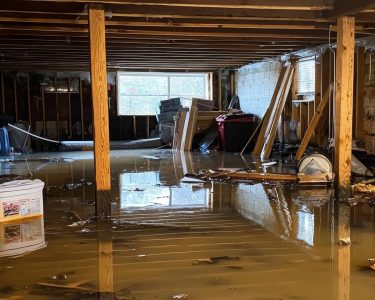
A burst supply line near the foundation can flood a basement even when there’s no rain outside. Drying the space quickly limits mold, the same priority as with a flooded basement after a storm. Before approving permanent repairs, confirm licensing, insurance, and a written scope of work, the core checks in how to find a trustworthy residential plumber.
After Frozen Pipes Thaw, Watch for the Leak You Can’t See
A frozen pipe doesn’t always burst visibly while it’s still blocked with ice. The split may already exist, with little or no water escaping until the ice melts and pressure returns. Watch for water stains spreading across a ceiling, a hissing sound inside a wall, or new moisture near a baseboard. A supply pipe can leak behind finished walls long before water appears on the floor.
Your water meter offers another clue. With every faucet turned off and water-using appliances idle, record the reading. Check it again after an hour without using water. A higher reading means water may be escaping somewhere in the plumbing system, although a running toilet or a fixture nobody noticed can produce the same result.
If the meter suggests a leak, check for obvious fixture problems before assuming a hidden pipe has burst. Where the source stays hidden, a plumber may need specialized leak-detection methods to locate the damaged line without opening walls or floors needlessly. Find the main shutoff valve before winter, even if every pipe in the house seems fine. On the morning a faucet stops running or a wall starts leaking, knowing where that valve sits can keep a small plumbing failure from becoming a much larger cleanup.
Sources
American Red Cross, Fact Sheet: Preventing and Thawing Frozen Pipes
Office of the New Jersey State Climatologist, Rutgers University, Half a Roar: January 2026 Report
Consumer Reports, How to Prevent Your Pipes From Freezing and Bursting
Insurance Information Institute, Facts + Statistics: Homeowners and Renters Insurance