
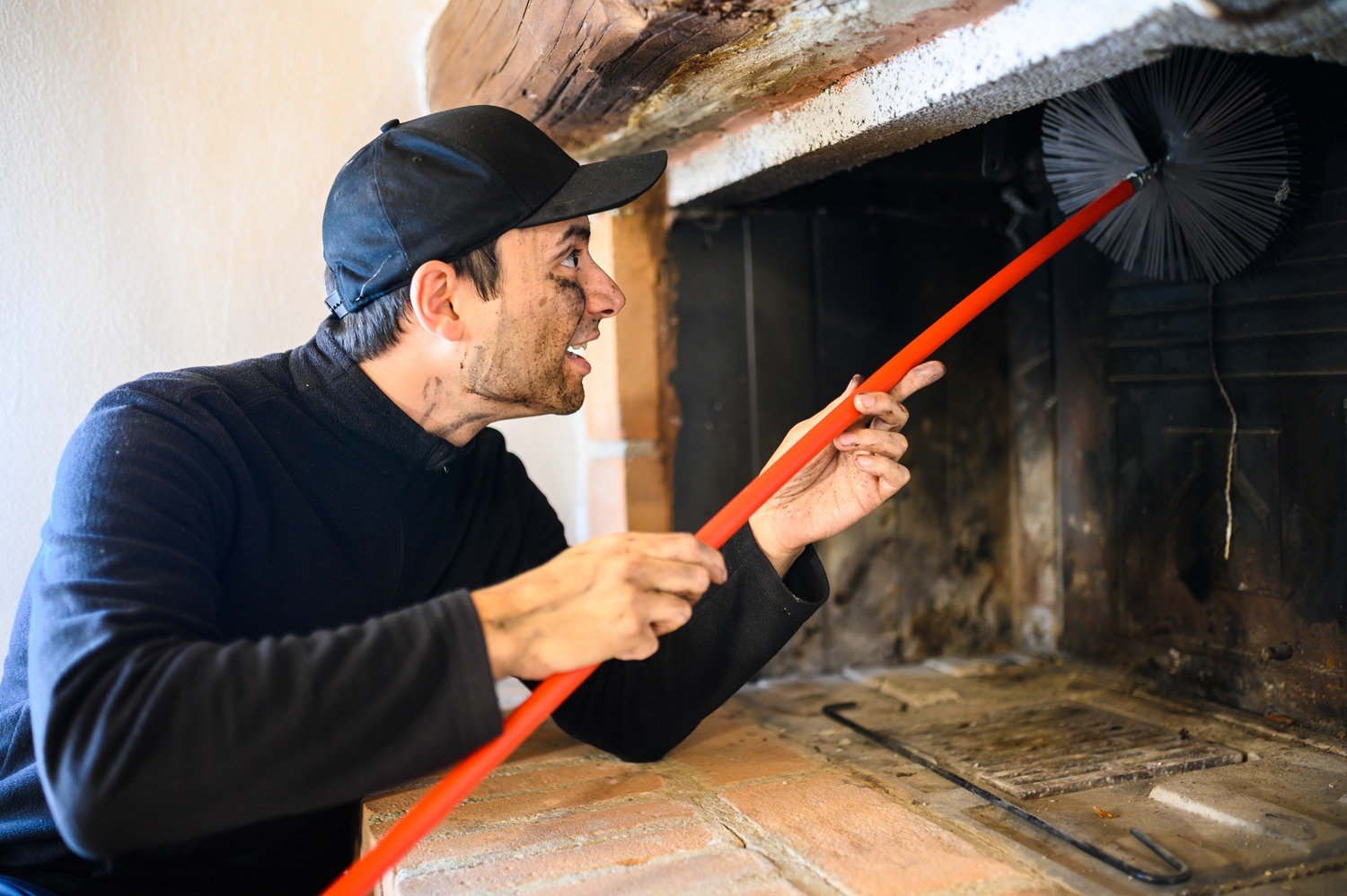
A homeowner calls for a chimney sweep, who comes out and inspects their chimney. This usually goes one of two ways: a clean inspection report, or the dreaded hundreds-of-dollars repair conversation. The cost of the chimney inspection itself isn’t the surprise. What blindsides most SoCal homeowners is finding out they need repair or relining.
Annual chimney inspection belongs on a maintenance calendar rather than a reactive call list. For homeowners in Los Angeles and across Southern California, SoCal Chimney provides certified inspection, cleaning, and repair services for all three inspection levels covered in this guide.
Quick Answer
Chimney inspection cost ranges from $100 to $5,000 depending on the inspection level, with an average of $450 according to Angi. Level 1 is the standard annual inspection. Level 2 involves a video camera scan and is required for home sales and post-fire situations. Level 3 is rare and reserved for suspected structural damage. Repair costs, if any, are separate from the inspection fee.
What Chimney Inspection Cost Actually Covers
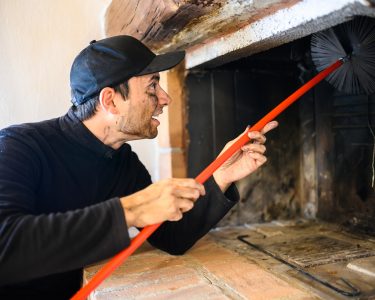
Most homeowners use “chimney inspection” and “chimney sweep” interchangeably. They’re similar, but not exactly the same. An inspection is relatively self-explanatory, assessing structural and safety conditions. A sweep removes soot and debris like creosote from the flue. Many chimney companies bundle both into a single visit for a single price, especially for level 1 inspections.
The NFPA defines three inspection levels, each progressively more thorough and more expensive. The level is determined by the chimney’s condition and the circumstances of the inspection. A technician performing a routine annual sweep will determine whether the job requires Level 1 work or whether conditions warrant escalating to Level 2 when they see the chimney.
The Three Inspection Levels Explained
According to Angi, the average chimney inspection costs $450, with a range of $100 to $5,000 depending on the level required.
| Level | Typical Cost | When Required | What’s Included |
| Level 1 | $100–$950 | Annual maintenance; no recent system changes | Visual inspection of all accessible components; usually bundled with sweep |
| Level 2 | $200–$1,000 | Home sale or purchase; after chimney fire or storm; after system changes | Everything in Level 1 plus video camera scan of flue; attic, crawlspace, and basement inspection |
| Level 3 | $500–$5,000 | When Level 2 reveals suspected structural damage | Everything in Level 2 plus removal of walls or chimney components to access concealed areas; repairs often incorporated |
Level 1 is the standard annual inspection. The technician looks at accessible interior and exterior components: the firebox, damper, flue liner surfaces visible from below, chimney cap, crown, and exterior masonry. Certified chimney technicians who perform all three inspection levels determine whether conditions warrant escalating to a more thorough examination. That’s not a call for the homeowner to make.
Level 2 is where the camera goes in. The scan is what allows the technician to see liner cracks, gaps, and blockages invisible from the firebox opening. That’s why Level 2 is required whenever the system has changed, been damaged, or is changing hands in a sale.
Level 3 is rare. It is only warranted when Level 2 reveals suspected damage that cannot be assessed without opening walls or removing portions of the chimney structure. The higher cost reflects both the labor involved and the likelihood of intensive repairs.
What Pushes Chimney Inspection Cost Above the Average
Several factors can balloon quotes out of control regardless of inspection level. Multiple flues, for example, add time and labor to each inspection. Chimney height and roof pitch affect access and safety requirements. If there’s heavy creosote buildup, the chimney might not be able to be cleanly inspected. Geographic location matters too. California consistently runs higher than Angi’s national average of $450.
Scheduling timing affects price as well. Fall is peak demand season for chimney services. Home improvement projects worth completing before winter are better planned and scheduled in spring, when demand is lower and pricing follows.
Why Annual Inspection Is Required
NFPA 211, the Standard for Chimneys, Fireplaces, Vents, and Solid Fuel-Burning Appliances, requires annual inspection of all chimneys and venting systems. The CSIA and NFPA both recommend annual inspection regardless of how often the fireplace is used. This prevents real hazards like creosote fires, carbon monoxide, structural failure, or blocked venting.
How often a chimney inspection should be scheduled is a necessary question to ask. For homeowners managing multiple properties, home management programs that schedule annual chimney inspections as part of a documented maintenance plan keep the inspection on calendar.
What the Inspector Is Actually Checking
During a Level 1 inspection, the technician works through the accessible chimney system. The firebox and damper are checked for cracks, corrosion, and proper operation. The flue liner is examined as far as visible without a camera, and cracks, spalling, and gaps are the primary concerns. The chimney cap and crown are inspected for deterioration that would allow water entry. Exterior masonry is checked for mortar joint failure, efflorescence, and spalling brick. Any signs of obstruction from animals or debris are noted. The report documents findings at each component with photographs, referencing the code standards that apply to each deficiency found.
How Creosote Buildup Changes the Scope
Creosote accumulates in three progressively more problematic stages. Stage 1 is loose, flaky soot that comes off in a routine sweep. Stage 2 is a tar-like, harder deposit that requires more time and rotary cleaning tools, adding $50 to $150 to the standard sweep. Stage 3 is glazed, dense creosote that has been compressed by heat into a highly flammable coating. According to Angi, heavy creosote removal runs $400 to $900 or more and sometimes requires multiple visits or chemical treatment.
Stage 3 creosote is also the primary indicator for liner damage. A chimney that has experienced Stage 3 buildup or a creosote fire almost always requires a Level 2 inspection to assess what the flue liner absorbed.
When Chimney Inspection Leads to a Repair Bill
An inspection is not a guarantee of a clean result. The report documents condition, and when condition is poor, the inspector recommends repairs. Usually, those conversations stem from a short list of findings: creosote beyond Stage 1, visible cracks or gaps in the flue liner, crown or cap deterioration, and mortar joint failure in older masonry. Fireplace repair work that often follows a failed inspection covers a range of conditions from minor crown patching to structural work at the masonry level.
Common Repairs and What They Run
According to Angi’s chimney sweep cost data, post-inspection repair work typically runs $160 to $750 for common findings. Animal removal, a regular discovery in chimneys without functioning caps, runs $200 to $600 and is billed separately from the inspection fee.
But the liner is what usually catches homeowners off guard.
When the Liner Needs to Be Replaced
A chimney liner contains combustion gases, protects the surrounding masonry from heat and corrosion, and maintains the correct flue diameter for the connected appliance. Cracked clay tiles, size mismatches, damage from fires, or just the absence of a liner all warrant replacement.
According to Angi, chimney liner installation costs $625 to $7,000 depending on material, chimney height, and the extent of preparation required. The short end represents a short, accessible chimney, and the higher end represents a more complex job involving taller structures or multiple flues.
Chimney liner installation and relining specialists in Southern California assess liner condition during every Level 2 inspection. That is why Level 2 is the standard recommendation before replacing or modifying any heating appliance connected to the chimney.
Getting a Chimney Inspection Cost Estimate That Tells You Something
A useful chimney inspection quote specifies the inspection level, whether the sweep is included or priced separately, any known surcharges for multiple flues or difficult roof access, and what the written report will include. A quote that says “chimney inspection, $150” tells the homeowner nothing.
Before booking, get clear on four points: which inspection level the quote actually covers, what circumstances would move the visit to Level 2, whether the sweep is included or billed separately, and what the written report will contain. Certification matters too. If the technician is CSIA, NCSG, or NFI certified, that should be easy to confirm before the appointment, and the report should state whether photographs will be included.
Chimney repair contractors serving Los Angeles and surrounding areas who hold CSIA certification carry the training to perform all three inspection levels and document findings to the standard that insurance companies and home inspectors accept.
Frequently Asked Questions
How much does a chimney inspection cost on average?
According to Angi, the average chimney inspection costs $450, with a range of $100 to $5,000 depending on inspection level. Level 1 runs $100 to $950. Level 2 runs $200 to $1,000. Level 3 runs $500 to $5,000 and is reserved for suspected structural damage.
What is the difference between a Level 1 and Level 2 chimney inspection?
A Level 1 is a visual inspection of all accessible components, the standard annual service for a chimney in regular use. A Level 2 adds a video camera scan of the flue interior and inspection of connected attic and crawlspace areas. Level 2 is required for home sales, after chimney fires, and when the connected appliance has been changed or modified.
What does creosote do to chimney inspection cost?
Stage 1 creosote is usually handled during a routine sweep. Stage 2 adds labor and often rotary cleaning tools, which can add $50 to $150. Stage 3 is glazed, highly flammable buildup that can push removal into the $400 to $900 range and often changes the inspection scope because liner damage has to be assessed.
Does a chimney inspection include cleaning?
Often, but not always. Most companies bundle the sweep and Level 1 inspection into a single visit. Confirm before booking whether the sweep is included in the quoted price or billed separately.
What happens if a chimney inspection reveals damage?
The inspector provides a written report with photographs documenting deficiencies and recommending repairs. Common post-inspection work runs $160 to $750 according to Angi. If liner damage is found, relining costs $625 to $7,000 depending on material and chimney size.
What the Inspection Is Really Telling You
The chimney inspection cost itself should never create a budget problem. The following repair conversation might. A homeowner who knows which inspection level was performed and what the report actually found goes into that conversation with a reference point. A homeowner who accepted a generic quote without asking questions goes in with a blank check.
Sources
How Much Does a Chimney Inspection Cost? — Angi
How Much Does a Chimney Sweep Cost? — Angi
How Much Does a Chimney Liner Cost? — Angi
NFPA 211: Standard for Chimneys, Fireplaces, Vents, and Solid Fuel-Burning Appliances — National Fire Protection Association