
It’s a dilemma tearing friends and families apart, especially those in Charleston, SC: walk-in shower vs bathtub. Which is better for your bathroom remodel?
It sounds simple on paper. Showers offer that sleek, modern look, while tubs feel more traditional. Pick the one you prefer and get on with it.
But that’s just scratching the surface. When you start taking layouts, resale value, accessibility, and long-term plans into account, the waters start to muddy. Modern bathroom remodeling trends certainly prefer walk-in showers, especially in Charleston master suites.
Planning ahead matters more than most homeowners expect. Many projects uncover hidden expenses once demolition begins, which is why understanding potential surprise bathroom renovation costs in Charleston SC can prevent frustration later.
Yet, at the same time, soaking in a warm, relaxing bath hasn’t lost its appeal. It represents relaxation, routine, and family practicality to homeowners across the Lowcountry. In fact, getting rid of the only tub in a home can lower its resale value!
Cities like Charleston have diverse neighborhoods, like downtown’s tight historic homes and Mount Pleasant’s expansive coastal properties. The right answer to the tub/shower question is just as diverse; it depends on your space, lifestyle, and long-term plans. At the end of the day, the walk-in shower vs bathtub decision comes down to how you want your bathroom renovation to function today and years from now.
Quick Answer: Walk-In Shower vs Bathtub — Which One Is Right for You?
Walk-in showers offer a sleek, modern bathroom design and a more luxurious visual appeal. Bathtubs support relaxation, family functionality, and important resale value bathroom considerations. The right choice depends on your available space, who uses the bathroom, and whether you’re remodeling for long-term comfort or future resale.
Why Many Charleston Homeowners Are Choosing Walk-In Showers
What Makes Walk-In Showers Feel More Luxurious and Modern?
When homeowners compare walk-in shower vs bathtub options, the shower often wins on aesthetics.
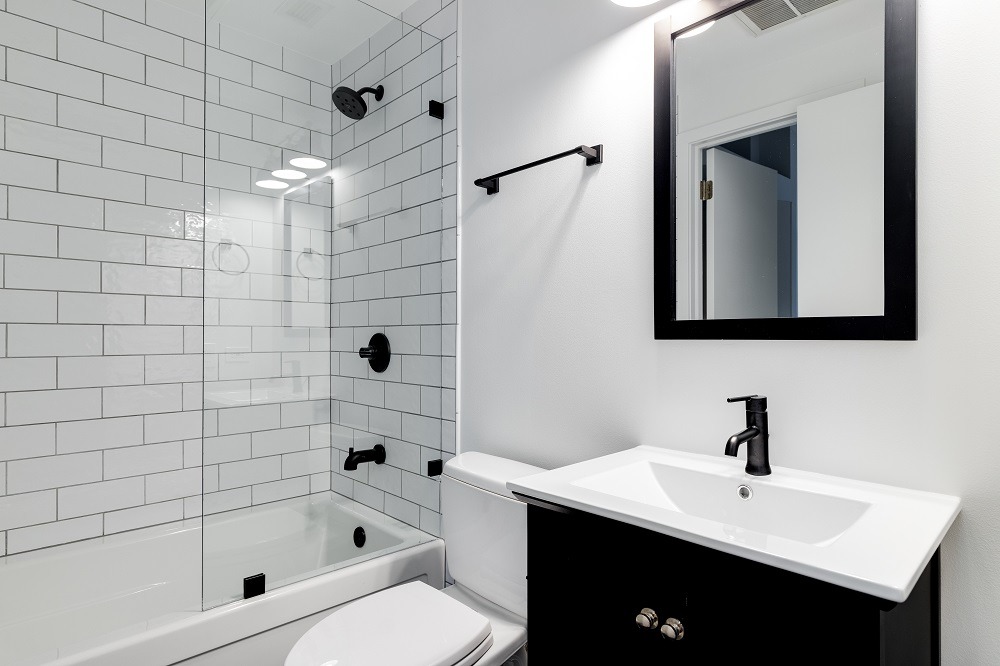
Frameless glass makes a bathroom feel open and intentional. Large-format tile compounds that effect. Fewer grout lines create a cleaner visual surface, which is a huge modern bathroom design trend these days.
In Charleston remodels, especially in primary suites, homeowners often aim for a spa-inspired look characterized by neutral palettes, subtle textures, and cohesive materials. They bring the walk-in shower from a functional feature to a design feature.
You also need to consider perceived space. Tubs take up a lot of bathroom real estate, so removing one can dramatically change how large the room feels. Your square footage might be limited in a historic Charleston home, so that visual openness can make a huge difference.
Bathroom Remodeling Trends in Charleston That Favor Walk-In Showers
Bathroom remodeling trends across Charleston strongly favor walk-in showers, particularly in master bathroom upgrades.
Modern showers don’t have the huge ledge to step over, enabling zero-threshold entries, also sometimes called curbless showers. Without a curb, there’s a seamless transition from bathroom to shower. They look refined and are easier to navigate.
Oversized rainfall shower systems have also become common. Homeowners want more than basic functionality. Many spray options, handheld units, and overhead fixtures create a more immersive experience.
Integrated benches and recessed niches serve dual purposes. They build storage and seating into the design instead of adding it later.
Minimalist coastal influences in Charleston SC also push design toward simplicity. Light tones, natural textures, and uncluttered layouts pair naturally with walk-in showers.
From a visual standpoint, showers often read as more current and higher-end.
Why Bathtubs Still Matter in Today’s Bathroom Remodels
The Real-Life Benefits of a Soaking Tub
Don’t overlook the emotional aspect of the walk-in shower vs bathtub debate.
A soaking tub provides a kind of stillness that a shower can’t. After a long day, especially during Charleston’s humid summers, stepping into warm water offers real relief.
For many homeowners, bathing is tied to wellness and self-care. It provides the quiet time they need to recover and decompress from the day. In primary suite retreat concepts, a freestanding tub can anchor the entire design.
In larger Charleston homes, particularly those undergoing full bathroom renovations, a tub can serve as a focal point without sacrificing space.
When Keeping a Bathtub Is the Smart Choice
Practicality matters just as much as relaxation.
It’s much easier to bathe a small child in a tub than a shower. It’s certainly possible, but not always convenient.
Multi-generational living also shifts the equation. Some older adults prefer sitting in a tub over standing for extended periods. Others may need specialized bathing options.
Still, many homeowners wonder, “Can I remove the only bathtub in my home?” That’s not recommended in most cases, especially if you’re thinking about reselling the home at any point. Keeping one bathtub somewhere in the home maximizes its market appeal.
But if your home has more than one bathroom and more than one tub, it’s practical to upgrade the master bath with a walk-in shower and keep a tub in another bathroom.
Accessibility and Aging-in-Place: What to Consider Before Removing a Tub
How Walk-In Showers Support Safer, Easier Bathroom Use
Any walk-in shower vs bathtub decision needs to take accessibility into account.
Walk-in showers usually win on that front.
Zero-entry or curbless shower designs eliminate the need to step over a high edge. Slip-resistant flooring can keep people from falling. Benches provide seating when needed. Handheld showerheads add flexibility.
Charleston homeowners planning to age in place get a lot of mileage out of these features. If you’re thinking long-term, these interior design tips that support aging in place can help you build safety into the remodel without making it feel clinical.
Where Bathtubs Can Create Accessibility Challenges
Traditional bathtubs require stepping over a high wall, which can become difficult with limited mobility.
Homeowners frequently wonder: is a walk-in shower better than a bathtub for resale and long-term usability? From an accessibility standpoint, the answer is often yes. Showers usually offer safer, easier access to those with mobility issues.
Walk-in tubs are an option, but they come with higher costs and different aesthetic considerations.
Charleston has a growing population of long-term homeowners who plan to remain in their properties for decades. Thus, it pays off to plan for long-term accessibility.
Walk-In Shower vs Bathtub and Resale Value: What Charleston Buyers Expect
Does Removing a Bathtub Hurt Resale Value?
The resale value bathroom question comes up frequently in Charleston remodels.
Most buyers expect at least one bathtub in a home. Families with children usually see it as a necessity. Even buyers without children may view it as a flexibility feature.
So, does removing a bathtub hurt resale value? It can, especially if it is the only tub in the home. The lack of a bathtub narrows your buyer pool.
The Smart Resale Strategy for Charleston Homes
In Charleston, buyer expectations vary by neighborhood. Downtown condos may focus on sleek showers. Suburban family homes may need at least one tub for broad appeal.
The safest resale strategy is simple:
- Keep at least one bathtub somewhere in the home.
- Upgrade the primary bathroom with a walk-in shower if space allows.
- Avoid removing the only tub in smaller homes.
How Bathroom Size Impacts the Walk-In Shower vs Bathtub Choice
Remodeling Small Bathrooms in Historic Charleston Homes
Charleston’s architecture influences remodeling decisions more than many homeowners expect.
Historic homes near the peninsula often have tight layouts. Many older bathrooms were designed before modern fixtures existed.
Moreover, condos and townhomes near downtown tend to have limited space. A walk in shower squeezes the most usage out of those limitations.
When Larger Homes Can Accommodate Both
In larger suburban homes or new construction properties, the walk-in shower vs bathtub choice does not have to be exclusive.
Primary suite expansions can accommodate both a separate shower and a freestanding tub. This setup is common in higher-end Charleston properties and allows homeowners to enjoy luxury without skimping on the practicality.
Cost Factors to Compare: Walk-In Shower vs Bathtub Installation
Cost varies depending on design and scope.
Walk-in showers usually cost more when:
- They involve custom tile work and frameless glass
- Curbless shower designs need subfloor modification
- Larger shower footprints increase material use
Bathtubs usually cost more when:
- Plumbing must be relocated
- Freestanding models need floor-mounted fixtures
- Structural reinforcement is necessary
If you’re budgeting carefully, it helps to know what’s typically the most expensive part of a bathroom remodel so you can prioritize what matters most.
Cost comparison overview:
Walk-In Shower Cost Considerations
- Higher tile and glass expenses
- Greater labor for waterproofing
- Often higher upfront investment
- Lower long-term accessibility modification costs
Bathtub Cost Considerations
- Lower cost if replacing in same footprint
- Potential plumbing relocation expenses
- May need future accessibility upgrades
- Freestanding tubs can increase material costs
Homeowners often ask: are walk-in showers more expensive than bathtubs? The answer depends on the complexity of the design. Both options can vary widely in cost depending on materials, layout changes, and finish selections.
Think about the specific characteristics of your space instead of focusing on averages.
Questions Every Charleston Homeowner Should Ask Before Deciding
Before choosing between a walk-in shower vs bathtub, ask yourself:
- How long do you plan to stay in the home?
- Do you currently use your tub regularly?
- Is this your only bathroom with a tub?
- Are accessibility concerns a factor now or in the future?
- Are you remodeling for resale or long-term comfort?
Your answers will show you the right direction.
If plumbing adjustments are part of your project, working with a qualified professional is critical. Knowing how to find a trustworthy residential plumber in your area protects your investment.
Key Takeaways: Walk-In Shower vs Bathtub for Your Charleston Remodel
- Walk-in showers offer a higher-end, modern aesthetic aligned with current bathroom remodeling trends
- Bathtubs still matter for relaxation and resale value bathroom considerations
- Accessibility planning generally favors walk-in showers
- Space limitations in Charleston homes may dictate the decision
- The best remodel aligns with lifestyle, resale goals, and long-term plans
Focus On Function Over Trends in Your Bathroom Remodel
The walk-in shower vs bathtub debate is about more than just trends. It’s about how you use your space, who shares your home, and what you expect from your remodel.
Walk-in showers elevate the room visually and align with modern bathroom design. Bathtubs provide comfort, tradition, and emotional value that can’t be overlooked.
For Charleston homeowners, the smartest choice is rarely driven by what looks best in a showroom. It is driven by thoughtful planning, realistic lifestyle assessment, and long-term perspective.
Choose the option that works for you today and will still make sense years from now.