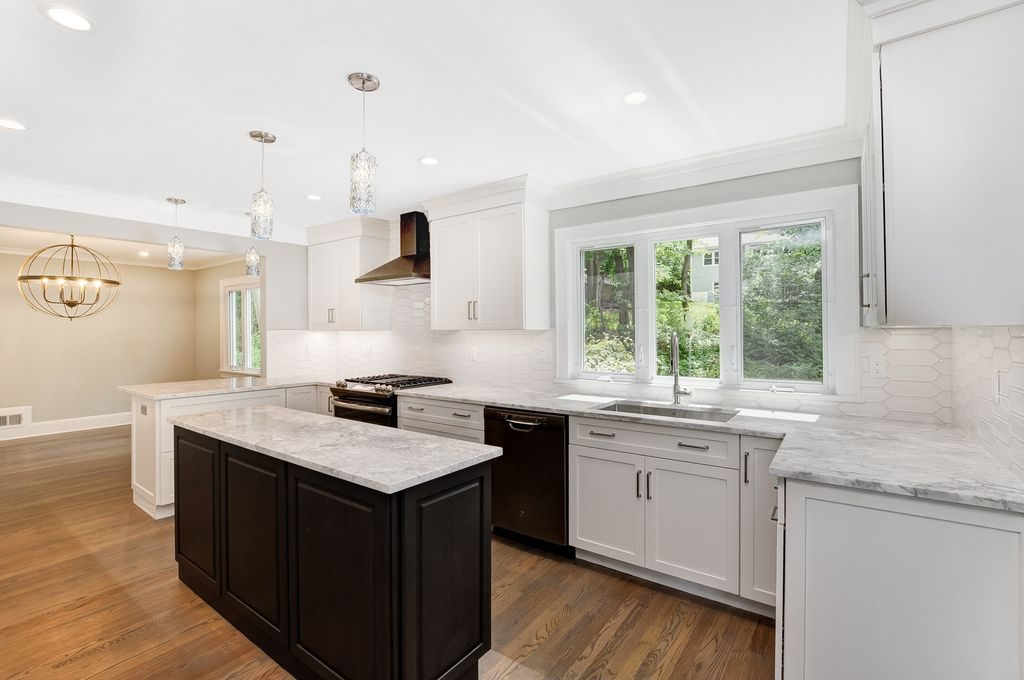


A modern kitchen asks a lot more from your electrical system than it used to.
Back then, it was just a fridge, a range, and a few counter outlets. But these days, tons of Charleston homeowners want induction cooking, wall ovens, under-cabinet lighting, beverage fridges, charging space, and smart controls. Incorporating all that takes some smart electrical planning.
Many homes weren’t built with today’s kitchen loads in mind. Your old setup might still work, but not well once you start adding higher-demand appliances and more layered lighting. Kitchen remodel electrical planning necessitates more dedicated circuits, better load separation, and smarter outlet placement to avoid overloading the breakers. If you are already seeing warning signs like hot outlets, flickering lights, or recurring breaker issues, it may help to review 10 signs you need to call a licensed electrician immediately.
If the work of a residential electrician isn’t high enough on the priority list, problems will crop up after the pretty parts. Breakers will trip. Appliances will cannibalize power. Outlets will end up in awkward spots. All that combines into a kitchen that looks finished, but doesn’t feel finished.
That’s why good remodels plan for power early.
Quick Answer: What Is Smart Kitchen Electrical Planning?
Smart kitchen electrical planning means building the kitchen’s electrical system around the way modern appliances and homeowners actually use the space. It covers safe power distribution, the right circuit capacity, thoughtful switchgear design, and practical energy-saving solutions so your kitchen works smoothly without constant electrical issues.
For Charleston homeowners, that usually means:
- Dedicated power for major appliances
- Better load balancing
- Fewer breaker trips
- Smarter outlet and lighting placement
- Easier upgrades later if the kitchen evolves
What Smart Kitchen Electrical Planning Actually Means
Most people hear “smart kitchen” and think about Wi-Fi appliances or voice controls.
That’s a valid assumption, but not necessarily what we’re talking about here.
Every smart kitchen electrical plan starts with a simple question. What is this kitchen going to demand every day? When you’ve figured that out, you can build the electrical layout around real performance instead of just assuming.
That usually includes:
- Mapping out appliance loads before rough-in starts
- Separating heavy-draw appliances from general-use circuits
- Planning outlets based on actual use, not just wall space
- Leaving room for lighting zones and smart controls
- Building in flexibility for future upgrades
So no, smart planning isn’t just about adding technology. It’s about making the whole room work better.
Kitchen Electrical Requirements for Modern Appliances
Modern kitchens pull more power. That’s a fact of modern electrical demand.
Even a fairly straightforward remodel can increase demand. Adding better lighting, more convenience features, and appliances that were not part of the original setup strains your power grid. Some smart and high-end appliances also need dedicated 240V circuits, and it’s common for today’s layouts to call for many 20-amp countertop circuits to spread the load more safely.
That added demand often comes from:
- Induction cooktops
- Wall ovens
- Built-in microwaves
- Refrigerators with more advanced features
- Dishwashers and disposals
- Beverage coolers or ice makers
- Task and accent lighting
- Charging stations and smart controls
These are real kitchen electrical requirements, not optional upgrades. Total capacity’s not the only issue here; you also need to think about overlap.
Think about how often you run one kitchen appliance at a time in perfect sequence. How often does that happen? People cook, clean, plug things in, and move around the space all at once. The electrical layout should reflect that. If it doesn’t, you’ll notice problems like flickering lights, hot outlets, or breakers that trip at the worst time.
How Power Distribution Supports Dedicated Kitchen Circuits
This is where power distribution really earns its keep.
Just cramming more circuits into the kitchen doesn’t make a plan strong. You need to spread the load in a way that matches how you’ll use the space. That’s how you keep the system from feeling strained every time more than one thing is happening.
Picture a normal evening:
- The dishwasher is running
- Someone is heating something in the microwave
- Under-cabinet lights are on
- Coffee gear is plugged in
- The fridge cycles on
- Another appliance hits the counter
This is what a basic kitchen night looks like, just to put the power demands into perspective.
Good power distribution usually means:
- Dedicated circuits for major appliances
- Separate countertop circuits
- Lighting on its own path
- Fewer shared loads where conflicts are likely
- A layout built around real use instead of theory
You can’ overlook dedicated kitchen circuits in a remodel. When that’s done right, most homeowners never think about it again. That’s exactly the point.
The Role of Switchgear Design in Kitchen Performance
Switchgear design sounds more technical than it really is in practice.
It’s all about how power gets controlled and protected. In a home, that usually comes back to the panel, breaker sizing, and the way electrical loads are organized. If that setup is weak, the kitchen feels it.
A good switchgear approach helps:
- Protect circuits from overload
- Keep problems isolated
- Support proper breaker sizing
- Improve reliability for larger appliances
- Cut down on nuisance trips
You’ll probably never say the words “switchgear design” out loud. But you will absolutely notice if the system behind the walls was planned poorly.
Why Power Design Matters in Kitchen Wiring for Remodel Projects
This is where Power Design manifests into more than just a technical term.
High-end appliances need the electrical system to be ready for them. If the planning is loose, the appliances may still turn on, but that doesn’t mean the kitchen is set up well.
A good power design process looks at:
- Appliance specs
- Voltage needs
- Breaker sizing
- Panel capacity
- Circuit placement
- Likely overlap in daily use
- Whether future additions are realistic
Skip this part and the problems tend to be annoying and expensive:
- Breakers trip when key appliances run at the same time
- The panel needs upgrading later than it should
- Appliance selections force last-minute electrical changes
- The kitchen works, but not smoothly
That’s not a favorable trade.
Energy-Saving Solutions That Make Sense in a Remodel
Not every smart electrical upgrade is about adding more capacity. Sometimes it comes down to using energy better.
That’s where energy-saving solutions come in. Stripping the kitchen down isn’t the goal here. You just want to reduce waste while still getting the performance you want.
Common options include:
- LED recessed and task lighting
- Smart switches and dimmers
- Motion lighting in pantries or utility areas
- Efficient appliance choices
- Better zoning for lights and controls
- Surge protection paired with a cleaner system plan
For Charleston homeowners, that means a kitchen that feels current now and still makes sense a few years from now. It also helps to think beyond the kitchen itself and plan for broader home resiliency, especially for households supporting older family members. This guide on power outage readiness for seniors at home adds useful context.
Why Personalized Electrical Planning Saves Time During a Build
Everyone uses their kitchen differently.
Some people do tons of cooking. Some do a lot of entertaining. Some want better coffee setup and cleaner counters. Others care more about lighting or future upgrades.
You can save time and energy with innovative personalized solutions that meet your unique tastes. When you match the electrical layout to those tastes, there won’t be as many surprises once construction starts.
It also helps avoid the mid-project headaches that slow everything down:
- Moving outlets after cabinet plans are set
- Discovering too late that the panel needs more capacity
- Learning an appliance needs its own circuit after selections are finalized
- Reworking controls because the original plan was too generic
That may sound like extra complexity, but it’s really smarter planning.
Kitchen Outlet Placement and Pre-Demo Planning
Charleston homes bring their own set of realities to a kitchen remodel.
Older homes may need meaningful electrical updates before a new kitchen can perform the way homeowners expect. Even newer homes may not have the right circuit layout for a more advanced appliance package or a more functional lighting plan.
Before demo starts, homeowners should know:
- Which appliances are going in
- Which ones need dedicated circuits
- Whether the panel has enough room and capacity
- How countertop outlets will be used
- Where smart switches or controls make sense
- Whether the kitchen should be future-ready
Thoughtful kitchen outlet placement is part of that planning. It all ties into the broader kitchen remodel electrical planning process. Thus, it keeps the project from running into avoidable changes later. If you are still mapping out your timeline and budget, you may also want to read what’s the cheapest time of year for a kitchen remodel in Charleston, SC.
You always want the design and performance to line up when you’re doing any kitchen remodeling in Charleston.
Key Takeaways
- Smart kitchen electrical planning is about making the kitchen perform well, not just adding smart features
- Modern kitchens often need more dedicated circuits and better load separation
- Power distribution helps prevent everyday overload issues and nuisance breaker trips
- Switchgear design supports safety, protection, and reliable performance
- Power Design is critical when high-end appliances need stable electrical support
- Energy-saving solutions work best when they are planned into the remodel early
- Personalized electrical planning cuts down on delays, rework, and mid-build frustration
Build the Kitchen for the Way You Actually Live
A kitchen can look great but still not live up to daily use expectations.
That usually happens when the visible design gets all the attention and the electrical planning gets whatever is left over.
The better move is to treat smart kitchen electrical planning as part of the remodel from the start. When the system behind the walls is designed properly, the rest of the kitchen works better too.
For Charleston homeowners, that’s the difference between a kitchen that looks updated and one that keeps up with real life.
If you want broader context on why a more personal remodeling process often leads to better planning and follow-through, this piece on the family-owned advantage of one customer at a time remodeling connects well with that idea.