

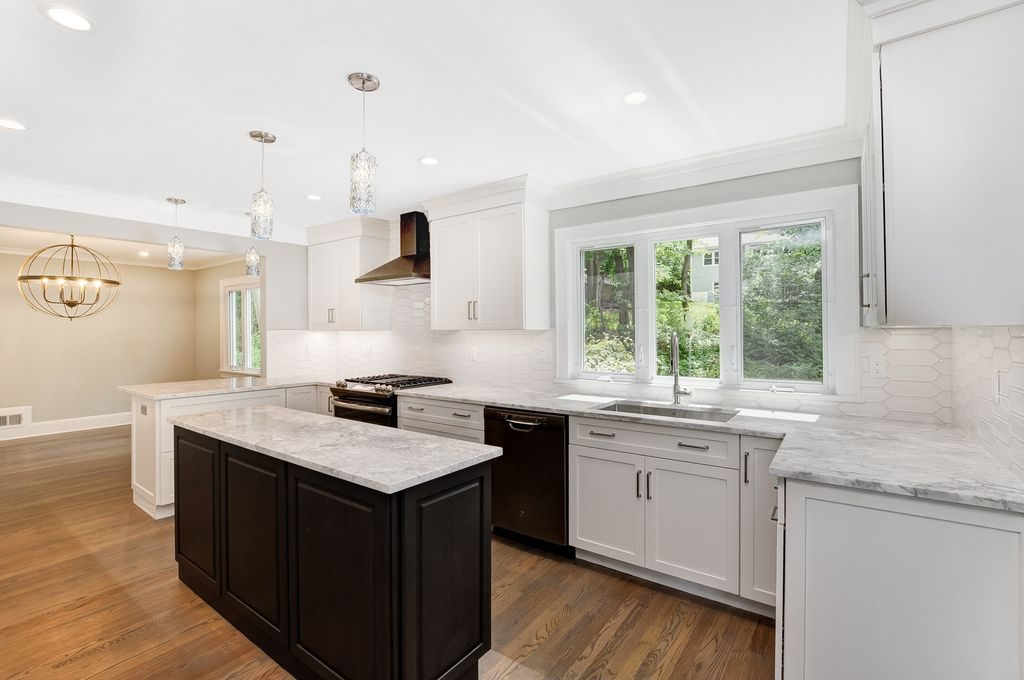
You’re just starting to use your new kitchen after months of elaborate remodeling. You love the way it looks, but there’s still something…off about it. All the freshest new appliances are there, and the kitchen triangle’s on point. So what could it be?
More often than not, it’s the windows.
If they’re not letting in enough light, the room feels darker and tighter than it should. If they let in too much light, you end up with glare bouncing off the counters when you’re just trying to make lunch. The southern US, especially in places like Summerville, SC, brings tons of heat, humidity, and bright daylight. The wrong windows for the area can lead to condensation, drafts, and a kitchen that’s hard to get comfortable in.
Homeowners in the area get around this by stepping up their kitchen window replacement efforts. The right upgrade can make the room brighter, more comfortable, and easier to use every day.
NFRC and ENERGY STAR labels make that easier by showing performance ratings like Visible Transmittance, Condensation Resistance, Air Leakage, U-Factor, and SHGC so homeowners can compare windows based on how they’re likely to perform, not just how they look. Higher VT means more daylight, higher condensation resistance means less moisture buildup, and lower AL means less air leakage. Lower U-Factor means better insulation, while lower SHGC helps block solar heat gain in warmer climates.
A lot of these same performance conversations also come up when homeowners are planning a more connected cooking space, especially in projects focused on the smart home kitchen and integrating power and performance.
Quick Answer: What Matters Most in Kitchen Window Replacement?
When comparing a kitchen window replacement, focus first on five core metrics:
- Visible Transmittance (VT): how much daylight gets through the glass
- Condensation Resistance: how well the window resists moisture buildup
- Air Leakage (AL): how much outside air can pass through the unit
- U-Factor: how well the window insulates, with lower numbers performing better
- SHGC: how much solar heat the window lets in, with lower numbers generally working better in hot or humid climates
The best energy efficient kitchen windows have more to them than simple brightness . They should also resist condensation, cut drafts, insulate well, and reduce unnecessary heat gain. NFRC and ENERGY STAR both describe U-Factor as an insulation metric where lower is better, and SHGC as a solar heat metric where lower values block more heat.
Why Energy-Efficient Windows Matter in Summerville, SC
Kitchen windows take a lot of punishment from sunlight, steam, temperature fluctuations, moisture, and regular use.
The kitchen’s the heart of your home, too. Thus, it’s windows see tons of general use, and that, combined with everything else, makes them work harder.
When they’re not up to the task, you start seeing it in annoying ways:
- fogging on the glass
- water collecting around the frame
- drafts near the sink or prep areas
- uneven light that makes the kitchen feel dim or harsh depending on the time of day
That’s why energy efficient kitchen windows matter so much in South Carolina. Excess condensation can damage window parts and nearby wall materials over time. Lower air leakage improves comfort by reducing drafts. In a warm climate, lower SHGC values can also reduce solar heat gain and cut cooling strain. For homeowners still weighing the bigger decision, it also helps to look at whether replacement windows are worth the investment.
How Visible Transmittance (VT) Affects Kitchen Light
If natural light matters to you, start with Visible Transmittance.
VT measures the amount of visible light that passes through a window. The scale runs from 0 to 1, and most windows fall somewhere between 0.20 and 0.80. A higher number means more daylight gets through.
Why VT Matters in a Kitchen
A higher VT can help make the kitchen:
- brighter during the day
- easier to work in around counters and sinks
- less dependent on artificial lighting
- more open and inviting
But there needs to be a balance here.
Daylight is a nice, necessary thing to have. But too much can get annoying. Spectrally selective low-e coatings can reduce heat gain without heavily reducing visible light. They’re useful in kitchens where you want brightness without turning the room into a glare trap.
Just because a window lets in the most light doesn’t mean it’s the best one for your needs. That moniker goes to the one that brightens the room without making the space uncomfortable to use.
Why U-Factor and SHGC Matter in South Carolina Kitchens
A lot of homeowners focus on style first and ratings second, when it should be the other way around.
If you are shopping for the best replacement windows for kitchen use, two of the most important numbers on the label are U-Factor and SHGC.
U-Factor tells you how well the whole window insulates. Lower numbers mean less non-solar heat transfer and better insulation. SHGC, or Solar Heat Gain Coefficient, tells you how much solar heat the window lets in. Lower numbers mean less heat gain from sunlight.
Kitchens in Summerville are already warm. It’s a warm climate to begin with, and running ovens, cooktops, and dishwashers all crank up the heat. A lower SHGC can help keep that under control. A lower U-Factor helps with insulation and comfort.
But you can’t base the whole decision on one number. The right window should balance daylight, insulation, and heat control in a way that fits a hot, humid South Carolina climate. Lower SHGC is generally better for hot, sunny climates, while lower U-Factor improves insulation.
Choosing Windows With Better Condensation Resistance
Moisture is inevitable in kitchens.
Boiling water, using the dishwasher, washing up at the sink, and cooking with steam all push humidity into the air. Once that warm moist air hits a cooler window surface, condensation starts.
Condensation resistance measures how well a window resists that buildup. The rating runs from 0 to 100, and higher numbers indicate better performance.
Why This Rating Matters
If your kitchen window handles moisture poorly, you may end up with:
- visible water droplets on the glass
- damp trim or frame areas
- mold or mildew risk over time
- damage to nearby finishes
Excess condensation can damage window components and surrounding wall surfaces. It can also cause mold and mildew to grow.
What to Focus On
For a kitchen, look for:
- better insulated glass
- quality seals and frame construction
- higher condensation resistance where the rating is available
- proper installation around the frame opening
Insulating the space between the frame and the rough opening also helps reduce condensation.
Why Air Leakage (AL) Ratings Matter While You Cook
Air Leakage is one of those things you never think about, until you’re standing next to a window and feel the draft.
Air Leakage measures how much air enters through a product. Lower AL values mean less air passes through the window joints, and most industry standards and building codes require an AL of 0.3 cfm/ft² or less. Windows with lower AL ratings reduce drafts and condensation, which improves your comfort.
Why This Matters in Daily Use
Poor AL performance can mean:
- drafts while cooking or cleaning
- less stable indoor temperatures
- more HVAC work to maintain comfort
- a kitchen that never quite feels sealed up properly
Most of the time, people blame that on the house itself, but the windows are usually the real culprit.
Best Replacement Windows for Kitchen Light and Ventilation
Window specs matter, but so does the way the unit actually works in the room.
Casement Windows
A smart choice when ventilation matters and you want easy operation, especially over a sink.
Double-Hung Windows
A familiar look that works in a lot of homes and gives you flexibility with airflow.
Sliding Windows
Good for wider openings where you want simple movement and a low-maintenance feel.
Picture Windows
A strong fit when your main goal is daylight and the kitchen already has enough airflow elsewhere.
There’s no universal “best” style here. It’s subjective; the best style is always the one that best matches how you use the space. That matters much more than how nice it looks in a showroom. The best replacement windows for kitchens tend to balance usable ventilation with the right performance ratings.
Why Installation Matters as Much as the Window
Even the best-rated windows will underperform if they weren’t installed properly.
That’s one of the biggest reasons homeowners end up disappointed after a replacement project. If there’s weak sealing around the frame, or gaps in the installation, you can lose the benefits you paid for.
Air can leak around windows, and sealing and insulating those gaps is important for both comfort and efficiency. The frame-to-opening area also matters for limiting condensation and energy loss.
Every remodel plan should include kitchen window replacement considerations. If you are already reworking layout, trim, cabinets, or sightlines, it makes sense to coordinate the window work at the same time. For homeowners planning a broader update, kitchen remodeling in Summerville covers all these bases. And if the project is expanding beyond the kitchen footprint, it may also be worth thinking through affordable home additions and the cheapest ways to expand your space.
How to Compare Energy Star Kitchen Windows
It’s easy to get distracted by looks alone once you’re in front of actual products. Don’t fall for that temptation.
The better move is to compare labels and ask a few practical questions:
- Is the VT high enough to brighten the room?
- Is the condensation resistance strong enough for a humid kitchen?
- Is the AL low enough to reduce drafts?
- Is the U-Factor low enough to improve insulation?
- Is the SHGC low enough to cut unwanted solar heat?
- Does the style make sense for how the kitchen is used?
Standardized labels give homeowners a fair way to compare products based on tested performance. ENERGY STAR qualification for windows is based on U-Factor and SHGC, and certified products are independently tested and verified according to NFRC procedures.
If you are reviewing product lines, replacement window options are a sensible place to compare what matters. Budget planning matters here too, especially if you are thinking beyond one room and asking whether it is cheaper to replace all your windows at once.
Key Takeaways
- Kitchen window replacement affects more than appearance
- Higher Visible Transmittance (VT) helps brighten the kitchen
- Higher condensation resistance helps manage moisture in a humid room
- Lower Air Leakage (AL) ratings help reduce drafts
- Lower U-Factor improves insulation
- Lower SHGC helps reduce unwanted heat gain in warmer climates
- The best energy efficient kitchen windows balance light, moisture control, and comfort
- Proper installation is critical if you want the window to perform as advertised
Choose Windows That Make the Kitchen Easier to Live In
A kitchen should feel bright without being harsh, comfortable without being drafty, and durable enough to handle the moisture that comes with everyday use.
That’s what the right kitchen window replacement can do.
For Summerville SC homeowners, the right choice usually comes down to balance. You want daylight, but not glare. You want moisture resistance, but not a clunky-looking unit. You want a tighter seal, but still a window that fits the style of the room. You’ll see the difference the first time you use it.