
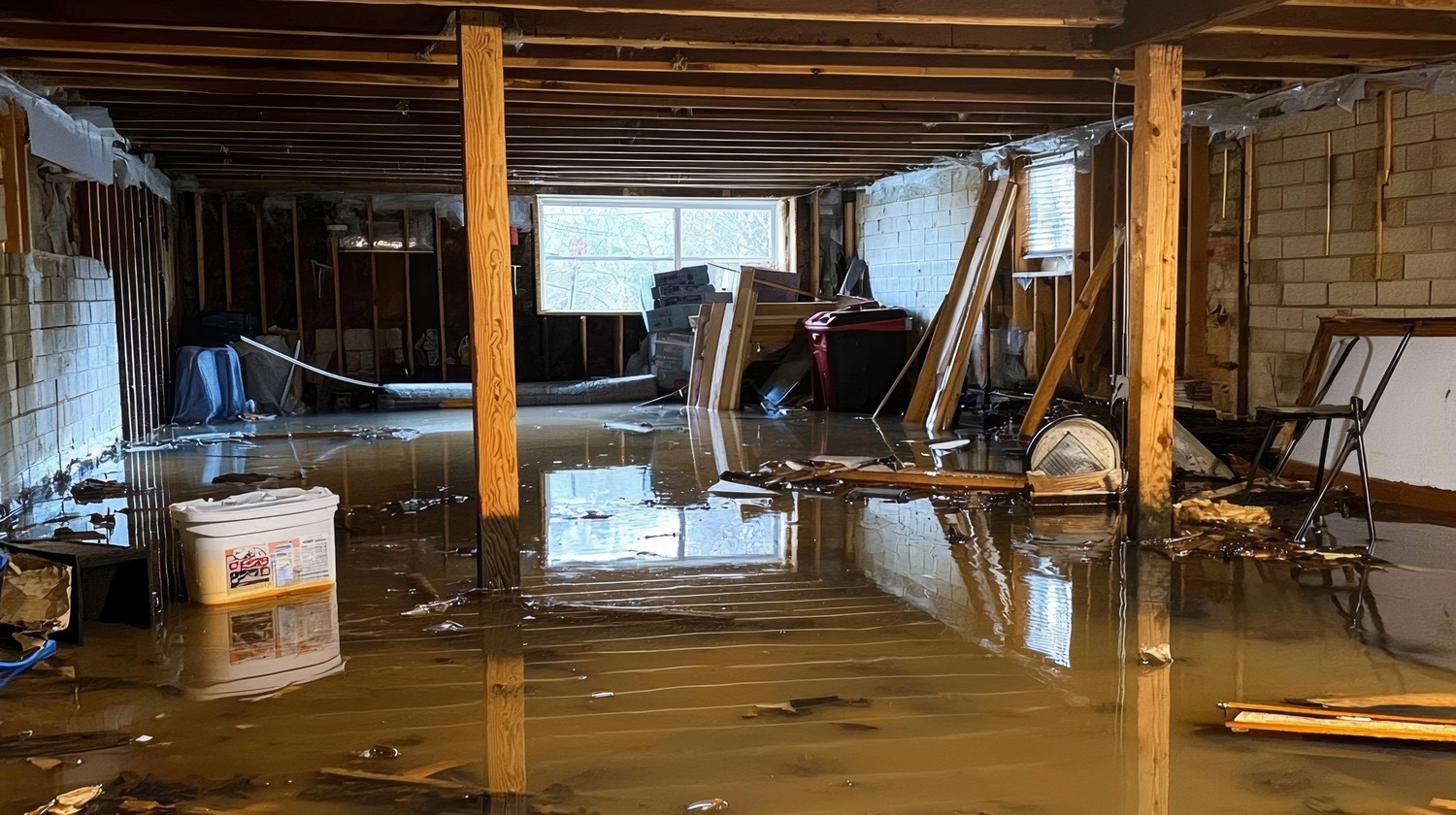
After a weekend of pumping water and hauling wet boxes to the curb, it is tempting to call a flooded basement finished once the floor is dry. But the dehumidifier’s droning gets old pretty quickly.
The September 13 storm gave Fairfield County plenty of basements like that. National Weather Service reports measured 7.47 inches of rain in Stamford, 7.19 inches near Westport, and more than seven inches near Darien and Southport.
But what remains after the standing water is gone? What should be checked after the basement floods? The answer is more nuanced than many people think, but as a general rule of thumb, work from the floor up: boilers, water heaters, electrical equipment, oil tanks, and the bottom of finished walls.
Check the Equipment That Sat in the Water
Floodwater leaves behind silt and corrosion inside controls and electrical components. Just because something turns on properly doesn’t mean it’ll shut off properly or safely.
The U.S. Consumer Product Safety Commission specifically advises replacing gas control valves, electrical wiring, circuit breakers, and fuses that have been under water rather than testing them and putting them back into service.
Oil-fired heating equipment in older Connecticut houses often sits close to the basement floor. If the waterline reached the burner or its controls, leave the unit off. Before using it for the first time, schedule boiler and furnace service so a technician can inspect it and determine what, if anything, needs replacement.
A gas water heater raises a similar question. If its control valve was submerged, it should be replaced. It might make more sense to fully replace the tank if it’s old enough, but that depends on the plumber’s quotes.
Flood cleanup is also a good time to find out whether the main water shutoff still moves and whether basement drains are open. A stuck shutoff valve can be a disastrous discovery during the next active leak.
If the electrical panel or a subpanel took on water, leave it off until a licensed electrician has inspected it.
Don’t forget about the oil tank, either. Floodwater can shift a tank on its base, and water can enter through the vent system. A moved tank, visible damage, or a fuel smell downstairs is a reason to call the oil company before the next delivery.
Where the Water Came In Decides the Repair
Take photos before the last wet boxes, baseboards, or damaged furniture disappear. The height of the waterline, streaks of mud, and staining below a window can tell a contractor more than a clean basement two weeks later.
If surface water got in, there will be signs near the opening it used. For example, a basement window well may have filled faster than its drain could empty. Water can also come through a bulkhead door or across grade where runoff is being pushed toward the foundation.
For those problems, the repair is usually outside. Clear the window-well drain, repair or add a cover, and make sure gutters and site drainage move roof and surface water away from the foundation.
River flooding belongs in this surface-water category too. On September 13, the National Weather Service reported flooding between I-95 and Kings Highway near Ash Creek and the Rooster River, and people had to be rescued from a home on Renwick Drive in Bridgeport when the Rooster River overflowed its banks. A sump pump can’t compete with water from an overflowing river.
Groundwater is different. It pushes up through cracks in the slab or appears at the joint where the wall meets the floor. Older fieldstone foundations were not built as watertight concrete boxes, so saturated ground can expose leaks that would go unnoticed during an ordinary rainstorm.
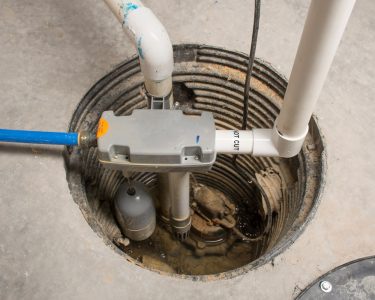
If the basement has a sump, pay attention to the pit. Did the pump lose power? Did the float jam? Was the pump running but unable to keep up?
A house that depends on a sump should have the system tested before the next storm as part of seasonal maintenance: run the pump, test the float, and check whatever backup system is installed. A battery backup buys pumping time during an outage. Some homes on municipal water use water-powered backup pumps for longer outages.
Water coming up through a floor drain needs a little more caution. A noticeable sewage odor, waste material, or a confirmed sanitary-sewer backup can indicate wastewater. Storm-drain or general floodwater is not automatically sewage, but the EPA warns that floodwater may contain sewage, chemicals, and other contaminants. Treat it as contaminated until there’s confirmation that it’s clean.
Where the plumbing system is susceptible to reverse flow, a licensed plumber can determine whether a backwater valve is appropriate.
Finished Walls and Floors Stay Wet Longer Than They Look
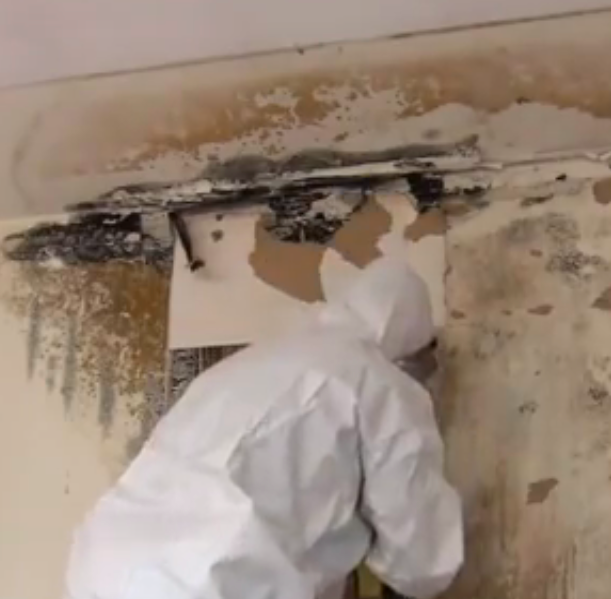
A cabinet in a flooded basement may look normal after a flood. Weeks later, the doors start sticking because the back panel swelled against the foundation wall. Finished materials like these are great at hiding water damage.
Drywall wicks moisture upward beyond the visible stain. Pulling a section of baseboard exposes the back of the drywall and the wood plate underneath, which is often more useful than looking at the painted face.
Carpet presents the same problem in a different format. The surface might feel dry, but the pad below might still be soaked. If both layers sat in floodwater, drying only the top is not enough.
EPA guidance recommends drying flooded materials within 24 to 48 hours when possible because they can grow mold when they stay wet. That’s much easier said than done after a storm affects hundreds of homes at once, and that musty smell can become inescapable.
A moisture meter can help get to the bottom of things. Take a reading in the affected basement, then compare it with the same material in a dry room upstairs.
Wine rooms, built-ins, and home gyms with rubber flooring can trap water where it has almost no path to evaporate. If readings stay elevated after the room appears dry, something behind or underneath the finish still needs attention.
Call the Insurer Before Anyone Opens a Wall
Where the water came from can change which insurance coverage applies.
Standard homeowners policies in Connecticut generally exclude flooding, and sewer or drain backup coverage, where a policy offers it, is usually a separate add-on. Flood insurance comes through the National Flood Insurance Program or private insurers, and a new policy usually takes 30 days to begin coverage.
Basement coverage also has limits that surprise homeowners. A standard NFIP policy can cover building equipment such as a furnace and water heater, while coverage for finished basement materials and contents is more restricted.
Before demolition or permanent repairs begin, ask the insurer or adjuster:
- Based on where the water entered, is this a flood claim, a sewer or drain backup claim, or something else?
- Has the adjuster documented the damaged furniture, equipment, and finishes before anything is discarded?
- Which emergency work can start immediately, and which permanent repairs should wait for inspection?
- If a home improvement contractor is involved, is the Connecticut registration current?
Connecticut requires home improvement contractors performing covered residential work to be registered with the Department of Consumer Protection, and homeowners can verify that registration through the state’s licensing system.
Three Questions That Come Up After the Water Is Gone
How long does a flooded basement take to dry out?
Think in days, not hours, but do not use the calendar alone to decide when the basement is ready to rebuild. EPA guidance says flooded materials should be dried within 24 to 48 hours when possible. Finished walls, insulation, carpet padding, and enclosed cavities may need to be opened or removed when they cannot dry that quickly.
New drywall, flooring, trim, or paint should wait until the remaining framing and surfaces are actually dry. Moisture readings are more useful than deciding that five days or seven days must be enough.
Who should I call first once the water is out?
If water reached the electrical panel, call a licensed electrician or the utility before anyone works around it or touches wet equipment that may still be connected.
Once the immediate electrical hazard is controlled, notify the insurer and get the drying or restoration work moving. For owners who are away from the property, one local person with a key, the contractor contacts, and the adjuster’s number can keep a crew from spending the morning waiting in the driveway.
Do I need a permit to replace a flooded boiler, water heater, or electrical panel?
These replacements involve building, mechanical, plumbing, or electrical code requirements, and in Connecticut the permit comes from the building department in the town where the property sits. Many home improvement projects require the permit to be in place before work begins.
Ask the contractor who is pulling the permit and which inspections will close it out. Keeping the final permit record with the repair paperwork also gives an insurer or future buyer documentation of how the flood-damaged system was replaced.
What the Next Heavy Rain Will Show
The first hard rain after the repair is worth one more trip downstairs.
Check the exact place where the water appeared last time. Then look at the sump pit, window wells, and any floor drains involved in the original event.
If the basement stays dry, the repair has passed a much better test than a sunny afternoon inspection. If water returns, photograph it from the same angle as the September damage before cleaning it up.
Those two sets of photos give the contractor something specific to compare: not simply that the basement flooded again, but where the new water showed up, how high it reached, and whether it followed the same path.
Sources
Connecticut Insurance Department, Storm Water Coverage and Flood Insurance Fact Sheet