
A little after midnight last Sunday, storms began stacking up over northern New Jersey and didn’t let go. By morning, five to seven inches of rain had fallen on towns from Paterson to Paramus. A half marathon runner in Bergen County posted video of himself wading through waist-deep water on the course, and basement sump pumps across the region were put to the test.
If yours ran nonstop for hours and is still making noise, you’re facing a real question. Does this warrant a sump pump replacement, a repair, or something more?
How Last Weekend’s Flooding Put NJ Sump Pumps to the Test
A sump pump is built for intermittent work. It switches on when water rises in the pit, empties it, and shuts off. During ordinary rain, that might happen only a handful of times a day. It’s not meant to run continuously for hours on end, which is what last weekend’s storms demanded.
AccuWeather measured a peak of 7.39 inches of rain in one Connecticut town over that same stretch. Those amounts of water require hours of continuous cycling, which strains the motor much more than a normal rain.
Power outages made it worse. When a storm cuts electricity at the same time it’s dropping inches of rain, a pump will stop unless it has a backup. Water keeps rising with nothing to push it back.
Homeowners who called their local residential New Jersey plumbers last weekend heard the same story again and again. A pump that had worked fine for years suddenly couldn’t keep pace, or lost power at the worst possible moment.
Signs Your Sump Pump Won’t Survive the Next Storm
Just because your pump ran for several hours doesn’t mean it automatically needs replacing. But there are a few things to pay attention to.
Does the motor sound weird? Is it grinding or rattling instead of how it usually sounds? If so, there might be a worn bearing or jammed impeller.
Is there rust or some sort of chalky buildup on the pump body or in the pit? That’s a sign the pump’s been sitting in mineral-heavy water for years, which shortens its lifespan.
How humid is the basement? Does it linger for days after a storm, even after the pit is empty? If it does, your pump might be too small for the workload your home presents instead of failing outright.
Sump Pump Repair or Sump Pump Replacement?
Age is the first thing to check. A pump under five years old that ran hard during the storm but is otherwise quiet is usually a repair candidate. Think a new float switch or check valve, not a full swap.
Once the pump is over the seven to eight year hump, it’s a different story. A repair on an older unit often costs sixty to seventy percent of what a full sump pump replacement costs. That buys you a motor that’s already most of the way through its working life.
Why Work Cycles Matter More Than the Installation Date
Manufacturers generally rate a sump pump for seven to ten years of service. They base that figure more on work cycles than the calendar, though.
A pump in a basement that floods after every heavy rain works harder each year. One that runs a few times a season barely gets tested.
A home that flooded three or four times this year is putting real wear on its pump. Count last weekend and the rest of the summer storms before it, and that’s more strain in one season than a drier home sees in three.
For a heavily used pump, those hard storm cycles tell you more about remaining life than the installation date on the sticker.
Sump Pump Replacement Cost and What Drives It
Angi’s data puts most sump pump repairs between one hundred and four hundred dollars, with full replacements running higher.
A pedestal pump swap, same brand and horsepower, typically runs four hundred to seven hundred dollars installed.
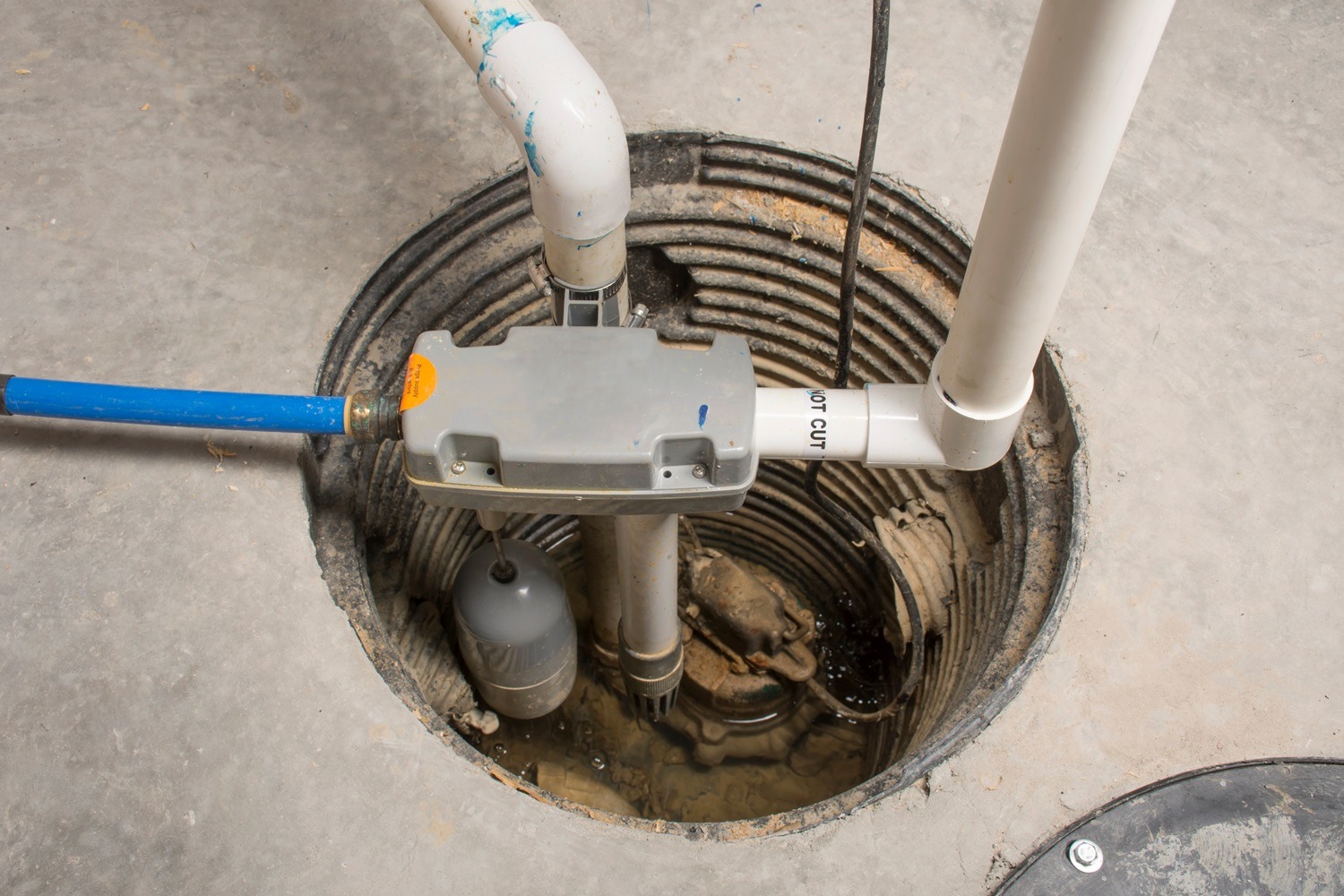
A submersible pump sits down in the pit instead of above it. It runs higher, often seven hundred to twelve hundred dollars, because of the extra labor to seal and mount it correctly.
Adding a battery backup on top of either option adds another six hundred to twelve hundred dollars. The exact number depends on battery capacity and whether the existing wiring needs upgrading.
A routine plumbing inspection is most useful before storm season, while there’s still time to find a sticking float, blocked discharge line, or backup system that isn’t ready for a long outage. Those are much easier problems to deal with while the basement is dry.
Battery Backup Systems: Worth the Extra Cost?
The danger from last weekend’s storms was the combination of heavy rain and power interruptions at the same time. A primary pump without any backup goes silent exactly when the water is rising fastest.
A battery backup switches on automatically when the power cuts out. It can run for several hours on a full charge, long enough to get through most storm-related outages.
A water-powered backup uses household water pressure instead of a battery. It works as long as the municipal supply stays on, and those are usually separate from the electrical grid.
Neither option replaces the primary pump, and neither solves a motor that’s already failing. Backup systems are there for the period when the primary pump loses electricity but water is still entering the pit.
Maintenance That Prevents an Emergency Sump Pump Replacement
Testing a pump takes five minutes twice a year.
Pour a bucket of water into the pit. Watch whether the float rises, the motor kicks on, and the water drains within a minute or two.
Clear debris out of the pit. Check that the outdoor discharge line isn’t blocked by leaves or ice. Swap the backup battery every three to five years.
These are cheap, boring tasks, and they head off the expensive, urgent version of this problem.
DIY vs. Hiring a Plumber for Sump Pump Replacement
Swapping a pedestal pump for an identical replacement is within reach for a homeowner comfortable with basic tools. The pump plugs into an existing outlet and drops into an existing pit. There isn’t much room for error.
Once the job changes the discharge line, adds a new electrical circuit, or introduces backup power, there are more ways for the installation to go wrong.
A licensed plumbing contractor can check discharge routing, backup-power requirements, and the local rules that apply before the system goes back into service. Code requirements vary by town, and mistakes can create problems at resale as well as during the next storm.
Questions to Ask Before You Sign
Ask whether the estimate includes a battery backup or prices it separately, since some quotes only cover the primary pump. Ask what the warranty covers, and for how long, on both labor and parts.
Ask how fast they can respond during a storm, not on an ordinary Tuesday. That answer counted for more during last weekend’s storms than any other line item on the invoice.
What to Do Right Now If Your Basement Is Already Flooding
Turn off electricity to the affected area before stepping into standing water, even a few inches of it. Water conducts electricity well enough to pose a danger in the shallowest of waters.
Once the power is off, a plumber offering 24/7 emergency service usually reaches a flooded basement faster than a general contractor would.
Figuring out whether the failure is the pump, the discharge line, or the power itself is a plumbing question first. From there, read the first steps to take once your basement is already flooding before you touch anything else. The order counts as much as the actions themselves.
FAQ
Do You Need a Sump Pump Replacement After a Flash Flood Like This?
A properly sized pump can usually keep pace with steady rain. A flash flood that drops an inch or more per hour can outrun even a healthy pump. That’s roughly what parts of Bergen County saw last weekend, and it gets worse if the power goes out partway through. A battery backup matters most in that window, when water keeps entering the pit after the primary pump loses electricity.
Does homeowners insurance cover sump pump failure?
Standard homeowners policies typically exclude water damage from a sump pump failure. You need to add a specific rider or endorsement to get that coverage. Checking your policy before the next storm, rather than after, is the only way to know where you stand.
What’s the fastest way to check if my sump pump survived the storm undamaged?
Look for mud or fine silt in the pit, which means the pump ran long enough to stir up sediment from the bottom. A motor that feels warm to the touch after the storm has passed, or one that smells faintly of burning, ran harder than it should have. If the discharge line outside is still frozen or blocked with storm debris, water has nowhere to go even if the pump itself is fine.
The Five-Minute Basement Check
Last weekend’s flooding wasn’t a freak event. Northern New Jersey saw serious storms twice in the first two weeks of September alone. The pattern points toward more of these nights, not fewer.
A five-minute pump test today costs nothing. It can separate routine maintenance from a repair or full sump pump replacement while the basement is still dry.
Finding out now is cheaper than discovering the problem during the next flood.
Sources:
AccuWeather, Flooding Swamps I-95 Corridor From New Jersey to Rhode Island