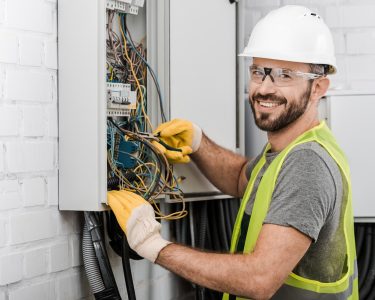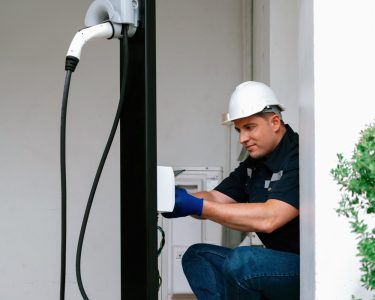

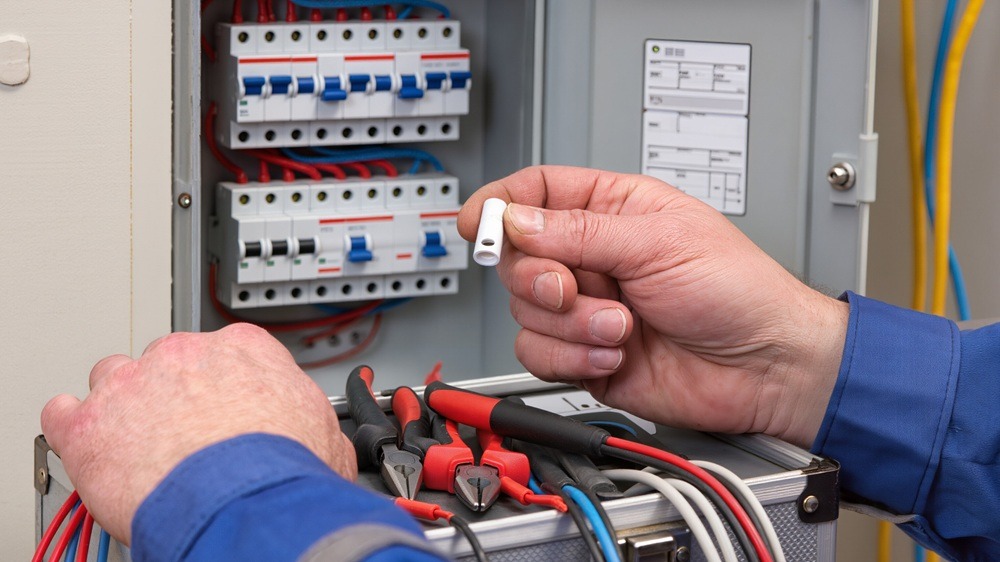
A kitchen remodel in an older Parsippany split-level or a bathroom renovation in a Denville colonial can stall completely before work starts, and home electrical upgrades are often the reason. Morris County has a large stock of homes built in the 1950s through 1970s. Most of them have never had their electrical systems updated to match what a modern remodel demands. Engineers sized those panels and branch circuits for a household that did not own a dishwasher, central air, or more than a handful of outlets per room. Homeowners who skip the electrical check before a remodel often end up paying for the same project twice.
Home electrical upgrades are the part of remodel planning that most homeowners skip entirely. Before committing to a contractor timeline, knowing where electrical work fits in the renovation sequence prevents uneeded expenses. The order in which you must do your renevations is important, and it typically means that an electrical assessment has to happen before framing, flooring, or finish work for exactly this reason.
How Old Wiring Becomes a Problem When You Remodel
A 60-amp or 100-amp panel that powered a ranch home in 1962 was not designed to run central air conditioning, an electric dryer, a dishwasher, and a home office simultaneously. When a remodel adds new lighting circuits, dedicated appliance runs, and bathroom exhaust fans on top of the existing load, the panel often cannot support it. If it can, it may still fail a code inspection.
New Jersey homes built between 1965 and 1973 commonly have aluminum branch circuit wiring, which creates a separate set of problems from panel capacity. Aluminum wiring needs specific outlets and connection hardware rated for it. When an electrician uses standard connections with aluminum wiring, the contact points degrade over time and create a fire risk.
When a remodel opens walls, a permit inspector will see the wiring type and check whether the connections are appropriate. A licensed residential electrician who reviews the home before a remodel begins can identify aluminum wiring, assess the panel’s capacity, and give a homeowner a clear picture of what the planned renovation will require before any other contractor is scheduled.
The Signs That Tell You Home Electrical Upgrades Are Overdue
Some of the signs that home electrical upgrades are needed are visible without opening a wall or calling anyone. Breakers that trip when the microwave and the air conditioner run at the same time point to a panel already at or near capacity. Kitchen and bathroom outlets without GFCI protection are a code violation in any remodeled wet area in New Jersey. GFCI outlets are the kind with the test and reset buttons built into the face of the outlet.
A panel with glass fuses instead of circuit breakers means the home has not had an electrical update since before the 1970s. Lights that dim when a large appliance starts up mean the panel is struggling under the current load before any new circuits are added.
Two-prong outlets in the rooms being remodeled point to ungrounded circuits. Ungrounded circuits can still function day to day. They do not meet current code for the outlet placement a kitchen or bathroom remodel requires. Finding any of these conditions puts home electrical upgrades on the pre-remodel list rather than the mid-project discovery list.
What Happens If You Skip the Electrical Assessment
Two problems come up when homeowners skip the electrical check before a remodel. The first is the permit failure. A NJ inspector reviewing a finished kitchen finds a 100-amp panel feeding a new dishwasher, a built-in microwave, and eight new lighting circuits and does not pass the inspection. Work stops.
The contractor cannot return for punch-list items until the electrical work is complete and reinspected. Scheduling an electrician mid-project costs more than scheduling them first. When a contractor is already on site, adding a second trade around them takes longer and creates coordination problems.
A second problem takes longer to show up. The remodel passes inspection and the kitchen looks finished. Then the homeowner spends the next two years resetting breakers when the kitchen runs at full load. The electrical system was never matched to what the new kitchen draws. Both show up more often than homeowners in older Morris County homes expect.
New Jersey requires permits for most remodel work. Local inspectors in Parsippany, Morris Plains, Denville, and Randolph enforce the current electrical code on every permitted job. That code requires GFCI protection in all wet areas. It also requires arc-fault circuit interrupters in bedrooms and living areas where walls are opened, and dedicated circuits for appliances with high continuous draws. An older home’s electrical system rarely meets all of those requirements without some targeted work.
Which Home Electrical Upgrades Come First Before Remodeling
Most older Morris County homes do not need a full rewire before a remodel. The home electrical upgrades that come up most often are more targeted than that. A remodel that adds a heavily equipped kitchen, central air conditioning, or an EV charger will need a service upgrade from 100 to 200 amps. Any home without 200-amp service will need that upgrade before adding those loads safely. Dedicated circuits for the dishwasher, built-in microwave, and refrigerator keep those loads from competing with everything else on the same circuit.
NJ code requires GFCI outlets in all wet areas for any permitted kitchen or bathroom remodel. Arc-fault circuit interrupters in bedrooms and living areas are also required when those walls are opened during a remodel. A service upgrade from 100 to 200 amps means pulling the meter, replacing the panel, and reconnecting the circuits. That takes one to two days for a licensed electrician and needs its own permit and inspection before the remodel contractor starts.
A home with a 200-amp panel may still have unprotected outlets in the kitchen and bathrooms. GFCI protection and panel capacity are two separate checks. Both need confirming before the remodel begins.
Home Electrical Upgrades and Safety for Aging-in-Place Households
When an older parent is already living in the home, or moving in as part of the reason for remodeling, home electrical upgrades cover more ground than a standard pre-remodel assessment. Oxygen concentrators, CPAP machines, and hospital-style adjustable beds all draw consistent power and need dedicated circuits, not shared ones. GFCI outlets lower the shock risk for someone whose balance or mobility makes bathroom use less predictable. Motion-sensor lighting, video doorbells, and medical alert devices all need circuits reliable enough to support them.
A caregiver providing in-home care for a senior needs outlets in the right places, lighting that works, and medical equipment that does not trip breakers. When those basics are not in place, the caregiver’s job is harder and the senior’s daily routine is less stable.
Families in Morris County who use in-home care for a parent or spouse often find that updating the electrical system as part of the remodel, rather than leaving it for later, makes the care arrangement more dependable from the start.
Frequently Asked Questions
Do I need to upgrade my electrical panel before a kitchen or bathroom remodel in NJ?
Not always, but an electrician should assess the panel before any work begins. Morris County homes with 100-amp panels often cannot support a modern kitchen’s load. Once a homeowner adds a dishwasher, built-in microwave, and new lighting circuits, the panel is likely to fail inspection. Whether the remodel requires a panel upgrade depends on what the job includes. An electrical assessment before the contractor is scheduled settles that question early.
How much do home electrical upgrades typically cost in Morris County NJ?
A service upgrade from 100 to 200 amps typically runs between $1,500 and $3,000 in New Jersey. Location of the panel and whether the utility company needs to pull the meter both affect the final cost. Adding GFCI outlets and dedicated appliance circuits as part of a remodel usually adds $500 to $1,500 depending on scope. Getting the assessment first means paying only for what the remodel requires, not for a general overhaul.
How do I know if my Morris County home has aluminum wiring?
Homes built in New Jersey between 1965 and 1973 are the most likely candidates for aluminum branch circuit wiring. A licensed electrician can confirm it by inspecting the outlets and the panel. Aluminum wiring looks and behaves differently from copper at connection points, and an experienced electrician can identify it quickly. Permit records at the local building department may also show whether a previous owner had the wiring evaluated or updated.
What Morris County Homeowners Should Do First
The first call before booking any remodel contractor is a residential electrical assessment. Most older Morris County homes need targeted work rather than a full system overhaul. A residential electrical assessment tells a homeowner which specific home electrical upgrades the planned remodel calls for. That clarity makes the contractor discussion more direct, the permit process faster, and the finished project less likely to need revisiting.
For homes where a senior family member is already living, scheduling the electrical assessment alongside any aging-in-place planning is worth the extra step. Families who arrange home care services for a parent or spouse find those services work more reliably when the home’s circuits, outlets, and equipment have been updated to handle what daily care requires.
Sources:
NJ Department of Community Affairs: Residential Building Codes
U.S. Consumer Product Safety Commission: Aluminum Wiring
NFPA: Electrical Fire Statistics
National Electrical Code (NEC)