

Earthquakes are just a fact of life in Southern California. When one happens, people give their homes a quick once-over, looking for obvious damage, and move on. Most don’t even think about their chimneys.
That’s a huge mistake because chimneys are incredibly vulnerable to seismic activity. They’re tall, rigid, and exposed above the roofline. Moreover, most SoCal homes have earthquake resistance built-in. They flex when the ground shakes, but a chimney can’t do that. That’s one of many reasons chimney repair in Southern California is so important, especially when an older system is involved.
Even a small quake can do more damage than you might think. It can crack mortar joints, shift the stack, damage the flue, or start pulling the chimney away from the house. You might notice some of that damage right away. But some of it you might not.
The question of whether you need a SoCal chimney inspection isn’t always simple. But you can make it simple by remembering one thing: don’t assume the chimney is fine just because the rest of the house looks okay. If you want a better idea of what that inspection process actually looks like, this guide on chimney inspection near me in Malibu, CA and what to expect during the process is a useful place to start.
Quick Answer: Can an Earthquake Damage Your Chimney?
Yes. Chimney earthquake damage can rear its ugly head after even a small shake, especially if the system already has weak mortar, past repairs, or a slight lean. Common problems include cracked bricks, broken mortar joints, separation from the house, liner damage, and, in severe cases, partial collapse.
If you notice cracks, a tilt, new debris, or any change in fireplace performance, schedule an inspection before using it again.
Why Chimneys Are Vulnerable During Southern California Earthquakes
The short answer is that a chimney isn’t designed to move.
A home in SoCal is designed to flex when earthquakes happen. Their chimneys can’t handle that movement nearly as well. Masonry is strong in compression, but it doesn’t do nearly as well when lateral motion starts stressing joints and connections.
The weak spots tend to be the same ones over and over:
- Mortar joints
- The roofline connection
- The upper exposed section
- The point where the chimney meets the house
- The flue or liner inside
Older chimneys are more at risk. Unreinforced masonry chimneys, especially, are more vulnerable to cracking, shifting, and collapse during seismic activity than a system that has been reinforced or rebuilt.
That’s the unspoken connection between earthquakes and chimney repair in Southern California, even if the rest of the home is fine.
Why Older Masonry Chimneys Need Special Attention
Older masonry chimneys deserve a little extra attention after a quake.
That doesn’t mean they should automatically be replaced every time. But older chimneys shouldn’t be getting casual “it looks okay from here” judgments after seismic activity.
In Southern California, that matters because a lot of homes still have older chimney systems that have weathered tons of shaking over time. If you still have an older brick chimney, consider a masonry chimney retrofit, especially if prior wear, past patchwork, or visible movement is already part of the picture.
If your chimney has never had major repair work, reinforcement, or rebuilding, an inspection after noticeable shaking is a smart move.
Common Signs of Chimney Earthquake Damage
Your perspective on the ground makes certain earthquake damage harder to spot.
Thus, this is more difficult than it should be. You’re likely expecting to see something dramatic, like a partial collapse, before taking action. But you might be blindsided by the smaller, easier to miss signs.
Watch for these warning signs after seismic activity:
- Cracks in brick or stone
- Missing or crumbling mortar
- A chimney that looks tilted or out of plumb
- Gaps where the chimney meets the siding or roofline
- Loose bricks or masonry debris near the base
- Interior fireplace cracks
- New smoke drafting issues
- Strange odors or soot movement
- A chimney that appears to have pulled away from the house
If you see any of that, it’s more than just a cosmetic issue.
A lot of chimney damage starts out looking minor. A hairline crack may not seem like much, but moisture can get in or mortar can start breaking down. The next earthquake will turn a manageable repair into a much bigger one. Some of the same red flags also show up in everyday fireplace issues, which is why you should check out 5 signs your Malibu fireplace needs a chimney inspection.
When to Schedule a Post-Earthquake Chimney Inspection in Los Angeles
Sooner than you might think.
If you’re wondering how often to schedule a chimney inspection, just know the earthquake doesn’t need to break the Richter scale to justify one. If you noticed the shaking, and you have an older chimney, or if it has prior damage, it’s worth checking.
A chimney inspection makes sense:
After Noticeable Shaking
If the earthquake was strong enough to move hanging items, rattle cabinets, or make you stop what you were doing, it probably put a lot of stress on the chimney.
After Any Visible Exterior Damage
Even hairline cracking can point to deeper structural movement.
Before Using the Fireplace Again
If the flue liner or venting path shifted, using the fireplace before an inspection can create a fire or smoke problem.
If the Chimney Already Had Weaknesses
Previous patchwork, older mortar, earlier settling, or a slight lean all raise the risk.
A post-earthquake chimney inspection in Los Angeles can catch problems before they snowball into a bigger repair. The same logic applies across the region. A prompt chimney inspection in Southern California can help answer the most important question: is this chimney safe to keep using? Homeowners who want to prepare for that appointment can also review these practical questions for a chimney inspection in Santa Clarita, CA.
Chimney Repair Solutions for Earthquake-Related Damage
There’s no one-size-fits-all repair that fits every damaged chimney.
The right fix depends on what moved, how badly it moved, and whether the existing structure is still worth preserving.
Cracked Chimney Repair and Tuckpointing
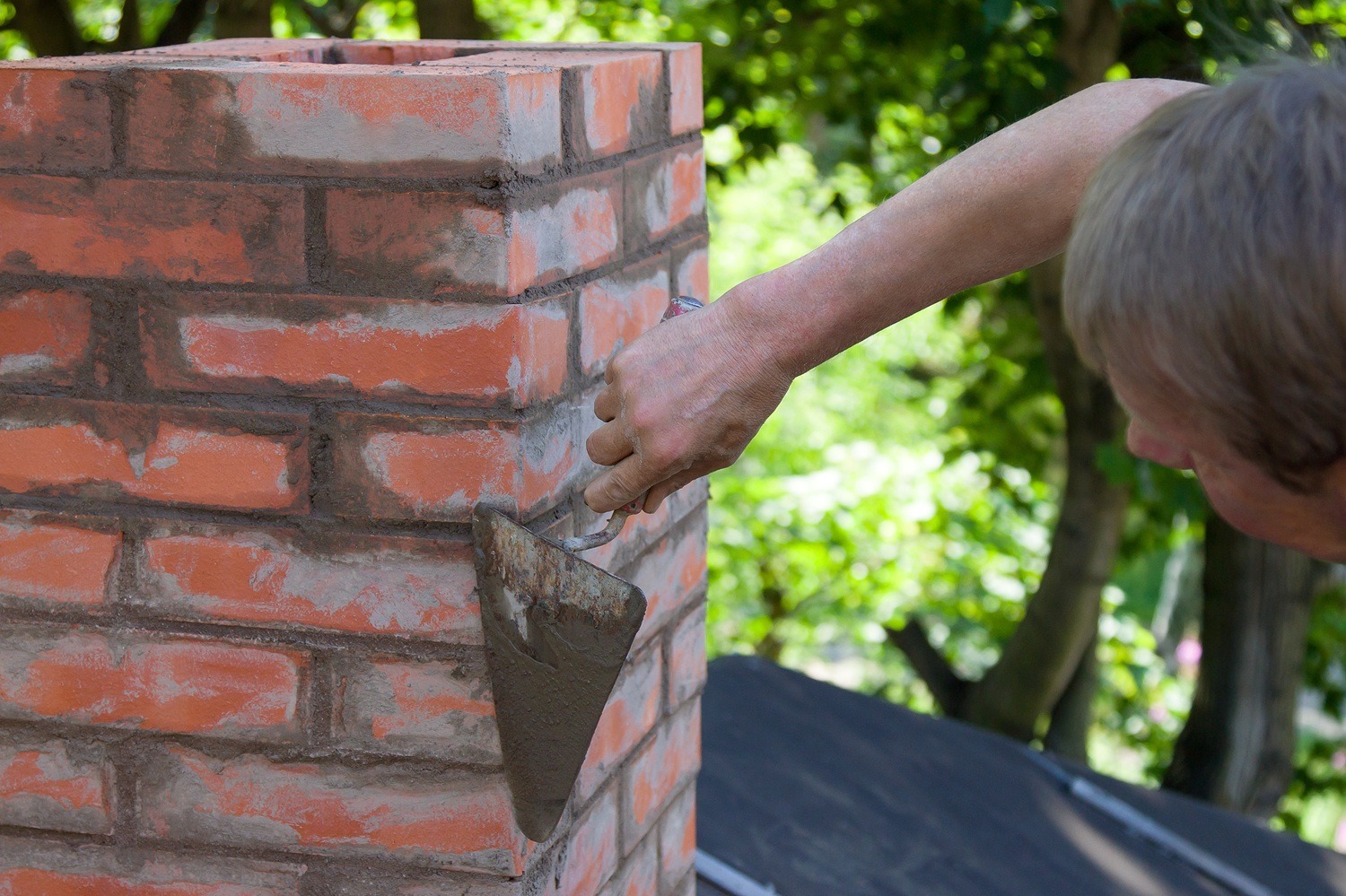
If the damage is minor and limited to mortar joints or small cracks, repair may involve tuckpointing, crack sealing, and replacing damaged masonry units.
This kind of cracked chimney repair is often the most straightforward fix when you catch the damage early. It helps restore strength, keeps water out, and slows down further deterioration.
Chimney Structural Repair
If the stack shifted, leaned, or began separating from the house, you might need a more involved chimney structural repair. This can include rebuilding upper sections, reinforcing support points, or stabilizing the system before further use.
At that stage, the goal is making sure the chimney is structurally sound and not a risk during the next quake.
Partial Rebuild
A partial rebuild is often the practical middle ground when the upper chimney is damaged but the lower firebox or base is still serviceable.
This can make sense when the chimney has visible damage above the roofline, but the lower structure remains solid enough to preserve.
Full Rebuild or Replacement
If the chimney is badly compromised, full reconstruction may be the safer option.
That is often the case when:
- The chimney is badly tilted
- There is serious separation from the house
- The masonry is deteriorated in many areas
- The structure is no longer reliable enough to patch
You might want to rebuild with lighter materials or a redesigned system instead of restoring the same vulnerable configuration.
Seismic Chimney Repair and Reinforcement
If the chimney is being rebuilt or substantially repaired, it may make sense to include seismic chimney repair measures like better anchoring, reinforcement, or related upgrades that help the structure handle future movement.
This is also where a masonry chimney retrofit can become part of the repair strategy. Instead of just fixing visible damage, the work can include steps that make the chimney less vulnerable in the future.
Flue Liner Repair or Replacement
Exterior masonry may not be the only issue. If the earthquake cracked or displaced the flue liner, the venting system may need repair, relining, or replacement before you can use the fireplace again.
That’s why a deep post-quake inspection is so important. It’ll find issues you won’t just by looking at the outside of the chimney. If your damage extends beyond the chimney structure itself, this fireplace repair in Los Angeles, CA ultimate guide can help connect the dots.
What Happens If You Wait Too Long
This is where a lot of homeowners get burned.
A small post-earthquake crack can let moisture into the system, turning into a much bigger masonry problem. A slight lean can become a serious structural issue with the next shake. And a damaged flue can create safety risks long before the chimney looks dramatically worse from the outside.
Waiting causes these small problems to proliferate into massive damage to your home, safety, and finances.
What could have been a targeted repair can become a rebuild. What looked like a minor mortar issue can turn into loose masonry, instability, and a chimney that’s no longer safe to use.
What Southern California Homeowners Should Do Next
If you suspect damage, keep the next steps simple:
- Do a visual check from the ground
- Look for cracks, leaning, missing mortar, or separation
- Do not use the fireplace if anything looks off
- Photograph visible damage
- Schedule a professional inspection
Key Takeaways
- Chimneys are especially vulnerable during earthquakes because they are tall, rigid, and brittle compared with the rest of the house
- Older unreinforced masonry chimneys are at the highest risk of cracking, leaning, or partial collapse
- Common signs of chimney earthquake damage include cracked mortar, leaning, separation from the house, and flue problems
- A chimney inspection is smart after noticeable shaking, visible damage, or before using the fireplace again
- Repair options range from cracked chimney repair and tuckpointing to partial rebuilds, full reconstruction, seismic chimney repair, and masonry chimney retrofit work
- Delaying chimney structural repair can increase both safety risks and repair costs
Protect the Chimney Before the Next Quake Does More Damage
A chimney can look mostly fine and still be unsafe after an earthquake. Most homeowners tend to overlook that.
In Southern California, seismic movement isn’t rare enough to ignore, and chimneys are simply not one of those structures that should get the benefit of the doubt after visible shaking. If there’s cracking, movement, separation, or any change in performance, it’s worth getting the chimney checked before the next quake turns a repairable problem into a much bigger one.
That’s really what chimney repair in Southern California comes down to: catching earthquake damage early enough to keep your home safer and your repair options more manageable.