
Imagine roaring that dusty old fireplace to life, filling your Southern California home with warmth. That probably only happens around the holidays or colder months. The rest of the year, it just sits there doing nothing.
But just because you don’t use it often doesn’t mean you should neglect an annual chimney inspection. That’s a common, understandable misconception. If it’s barely used, why should you inspect it?
That assumption causes problems.
Chimneys deteriorate whether they’re used regularly or not. In SoCal, that deterioration comes from the environment, not how often you use it. The coastal moisture, salt air, minor earthquakes, nesting animals, and Santa Ana winds all impact chimney systems year-round.
If you’re wondering, “How often should I schedule a chimney inspection?” or “How often does a fireplace need inspection?” The answer’s the same for most SoCal properties: at least once a year.
Let’s explore why you should schedule an annual chimney inspection, why you still need one in warm climates, what the entail, and warning signs you shouldn’t wait another year.
Quick Answer: How Often Should You Schedule a Chimney Inspection?
Most SoCal homeowners should schedule an annual chimney inspection, even if the fireplace is rarely used. An annual chimney safety check ensures:
- Structural stability
- Identifies hidden fire hazards
- Detects water intrusion
- Confirms safe venting
Routine fireplace inspections protect the safety and long-term value of your home in a place as prone to earthquakes as Southern California.
Why SoCal Homeowners Still Need an Annual Chimney Inspection
Why National Safety Standards Require an Annual Chimney Inspection
The National Fire Protection Association recommends an annual chimney inspection for all chimneys, fireplaces, and venting systems. That recommendation doesn’t depend on how often you use your fireplace.
How often you use your fireplace is only one piece of the puzzle. Structural shifts, water damage, liner deterioration, and animal blockages can all occur without a single fire.
From a liability standpoint, regular inspections also prove you’re a responsible homeowner, which can matter for insurance and resale.
It’s also important to clarify: a chimney inspection is not the same as a chimney cleaning. Cleaning may not be required every year if buildup is minimal, but inspection should be conducted annually to verify safety and structural integrity.
Southern California Chimney Risks Most Homeowners Overlook
Southern California is a unique locale with a unique environment that just makes sense for annual chimney inspections.
Earthquakes and Structural Shifting
Even tiny tremors can cause hairline cracks in masonry, shift flue liners, and weaken mortar joints. You won’t be able to see these issues from the ground, but they can compromise structural integrity.
Many homeowners ask, “Do I need a chimney inspection after an earthquake?” The answer is yes. Even minor seismic activity can affect chimney stability.
Coastal Moisture and Salt Air
Salt air and coastal moisture will corrode your chimney. Salt air breaks down mortar, rusts dampers, and weakens metal chimney caps. Moisture intrusion is one of the most common causes of chimney deterioration in SoCal.
Homeowners in Los Angeles, Orange County, San Diego, and surrounding coastal communities experience faster material breakdown due to marine air exposure.
Wildlife Nesting
Birds, rodents, and raccoons frequently use chimneys as nesting spaces. The foreign material they use to nest blocks airflow and increases carbon monoxide risk.
If you’re noticing unusual odors, debris, or airflow issues, it may be time to review the common warning signs outlined in this guide on 5 signs your Malibu fireplace needs a chimney inspection.
Santa Ana Winds and Debris
High winds push leaves and combustible debris into chimney flues. If it’s flammable enough, a fire could start inside your chimney.
During wildfire season, that buildup can increase fire hazard.
What to Expect During a Professional Chimney Inspection
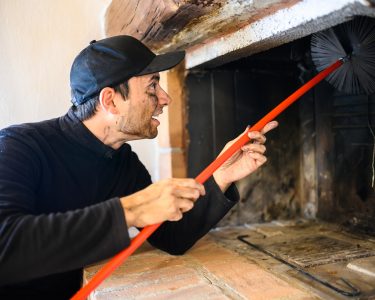
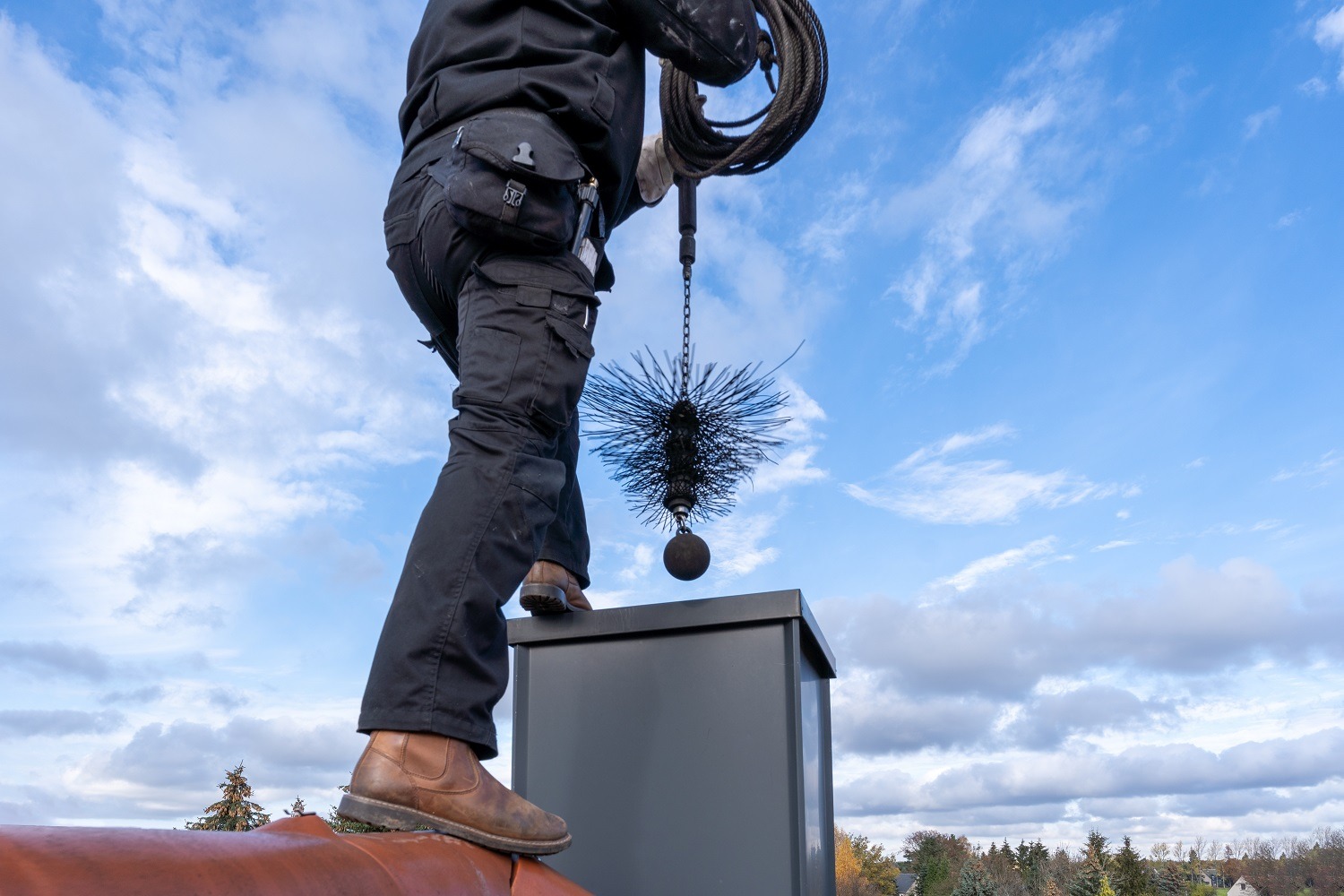
Many homeowners ask what actually happens during a chimney inspection. A professional chimney safety check is more thorough than most expect.
A standard annual chimney inspection usually includes:
- Exterior masonry assessment
- Chimney crown and cap inspection
- Flashing evaluation at the roofline
- Flue liner examination
- Damper functionality check
- Firebox and smoke chamber review
The goal is to confirm the chimney is structurally sound, venting properly, and free from fire hazards.
For a deeper breakdown of the inspection process, this overview of a chimney inspection near Malibu CA and what to expect walks through each step in more detail.
It’s also common to wonder, “How long does a chimney inspection take?” A typical Level 1 inspection often takes under an hour, depending on chimney height and accessibility. More detailed Level 2 inspections can take longer if it involves camera scanning.
Level 1 vs Level 2 Chimney Inspection: What’s the Difference?
A Level 1 chimney inspection is the routine annual check.
A Level 2 fireplace inspection is required when:
- A home is being bought or sold
- An earthquake has occurred
- A chimney fire is suspected
- The system has been modified or relined
Level 2 inspections often include camera scanning to assess internal liner damage that cannot be seen from the exterior.
Older SoCal homes, especially those built between the 1950s and 1980s, tend to have aging clay flue liners. That necessitates more thorough camera inspections.
If your chimney shows structural deterioration, additional repair considerations may apply. This guide to fireplace repair in Los Angeles CA explains common repair scenarios.
Warning Signs You Need a Chimney Inspection Sooner Than Later
Some situations need immediate attention. They can’t wait for your next annual chimney inspection.
Warning signs include:
- Stair-step cracks in masonry
- Leaning or tilting chimney structure
- Crumbling mortar joints
- Rusted or stuck damper
- White staining (efflorescence) on brick
- Smoke backing into the room
- Animal noises or visible debris
If any of these signs appear, schedule a professional chimney safety check promptly.
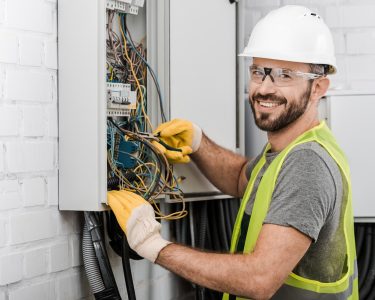
While chimney issues are distinct from electrical hazards, both are structural safety concerns. If you’re evaluating broader home safety risks, this breakdown of signs you need to call a licensed electrician immediately highlights similar urgency-based warning signs in other systems.
Chimney Inspection Cost vs. Major Repair Costs in Southern California
The cost of a chimney inspection in Southern California varies depending on chimney height, roof accessibility, and inspection level.
What matters more is the comparison between inspection cost and repair cost.
Skipping an annual chimney inspection can lead to:
- Masonry rebuilds
- Chimney crown replacement
- Water damage inside walls
- Chimney fire damage
- Insurance complications
A routine chimney inspection costs much less than the repairs these issues would incur. What would you rather spend, a few hundred dollars on the inspection or thousands on repairing the chimney after the fact?
Why Rarely Used Fireplaces Still Need an Annual Chimney Inspection
Many SoCal homeowners assume that an unused chimney is a safe chimney. That’s not always the case.
Moisture doesn’t care about how often you use your chimney when it penetrates. Neither do cracks in the clay flue liner when they form. Or the mortar joints, or the metal components.
Many older Southern California homes still have their original liners and caps. They deteriorate over time, and you can’t keep tabs on that without an inspection.
Your chimney is a structural and ventilation system attached to your home. It affects both safety and property value, whether you use it weekly or once a year.
When a Chimney Inspection Isn’t Optional
Certain situations make a chimney inspection non-optional.
You should schedule one immediately if:
- You are buying or selling a home
- You recently experienced an earthquake
- You notice visible cracks or leaning
- Smoke enters your living space
- It has been more than one year since your last inspection
These scenarios warrant prompt evaluation rather than routine scheduling.
How Southern California’s Climate Impacts Chimney Safety and Maintenance
Southern California’s climate influences chimney deterioration differently than colder regions.
There’s a lot of debris in the air during wildfire season. Marine air corrodes the materials, and inland valleys have huge variations in temperature that expand and contract masonry.
Annual chimney inspections account for these localized environmental factors and help homeowners adjust maintenance accordingly.
How to Prepare Your Home for a Chimney Inspection
Preparing for a chimney inspection helps ensure a thorough evaluation.
- Clear the area around the fireplace
- Avoid using the fireplace 24 hours before inspection
- Ask whether a camera inspection is recommended
- Request documentation for insurance or resale
Preparation allows technicians to complete a full chimney safety check without obstruction.
Key Takeaways: How Often Should SoCal Homeowners Schedule a Chimney Inspection?
- Most SoCal homeowners should schedule an annual chimney inspection
- Earthquakes and coastal moisture increase structural risk
- A chimney safety check protects against hidden fire hazards
- Rare fireplace use does not end inspection needs
- Skipping inspections increases long-term repair costs
Protecting Your SoCal Home Starts With a Proactive Chimney Inspection
Southern California homeowners often underestimate chimney risks because they don’t use their fireplaces often. But, structural movement, moisture exposure, wildlife intrusion, and wind-driven debris all affect chimney integrity.
An annual chimney inspection is less about how often you burn fires and more about preserving structural stability and preventing long-term damage.
Your chimney remains part of your home’s ventilation and structural system year-round. Proactive inspections protect safety, reduce repair costs, and help maintain property value in an unpredictable climate.