
Discovering widespread mold in your home is a stressful situation. Most people see it as an immediate death sentence for the home’s safety and habitability. But the reality’s far more nuanced. Mold problems are actually more manageable than most people think, when handled correctly.
The key is understanding what “saved” really means and what factors determine whether NJ mold remediation can fully restore a home. The right approach dictates the safe, effective repair of any mold-infested home.
NJ mold remediation refers to the professional process of removing mold, correcting moisture problems, and restoring safe indoor air quality inside a home.
Homeowners are often unsure whether they need an inspector, a remediation specialist, or both, which is why understanding what a mold specialist is actually called and how inspectors differ from remediators can help clarify next steps.
Quick Answer for Homeowners
Yes, most houses with mold can be saved. Successful NJ mold remediation depends on how long the mold has been present, the materials affected, and whether structural components are compromised. When mold is addressed early and the moisture source is corrected, professional remediation can often restore the home without extensive demolition.
What Does It Mean to “Save” a House with Mold Damage?
When people ask if they can save a moldy house, they’re picturing extreme scenarios, total demolition or permanent health risks. In reality, saving a home means removing the contaminated materials, restoring indoor air quality, and keeping the mold from coming back. Obviously, not every surface will survive.
A home may still need repairs such as replacing drywall, insulation, or flooring. What matters most is that the structure remains sound and the environment is safe to occupy. Mold remediation focuses on long-term safety, not just surface appearance.
What Determines Whether a Mold-Infested House Can Be Saved?
No two mold situations are identical. Professionals check several core factors to determine whether remediation can fully restore a home.
Key Factors That Affect Mold Remediation Success
- How long the mold has been growing Long-term mold growth tends to penetrate deeper into materials and spread farther.
- Type of materials affected Porous materials absorb moisture and mold more easily than solid surfaces.
- Location of the mold Mold in wall cavities or subfloors is more complex than surface-level growth.
- Source of moisture Mold will return if leaks, flooding, or humidity issues are not resolved.
- Extent of spread Isolated mold is easier to remediate than whole-home contamination.
Which Building Materials Can Be Saved After Mold Damage?
Not all materials react to mold the same way. Some building materials respond well to NJ mold remediation, while others need removal. The condition of the material matters more than how bad it looks.
| Material | Can It Often Be Saved? | Typical Remediation Approach |
| Drywall | Sometimes | Partial removal and replacement |
| Wood framing | Often | Cleaning, drying, treatment |
| Insulation | Rarely | Full removal and replacement |
| Carpet | Depends | Removal or professional cleaning |
| Concrete | Yes | Cleaning and sealing |
Replacing materials is often a normal part of proper remediation. Understanding what a mold remediation specialist actually does during this process helps homeowners set realistic expectations.
When NJ Mold Remediation Can Successfully Restore a Home
Homes have the best recovery outcomes when they catch and address the mold early. Many mold problems develop from relatively simple issues that went unnoticed.
Situations with strong restoration potential include:
- Mold caused by a short-term plumbing leak
- Growth limited to one room or area
- Structural framing remains intact
- Moisture source is clearly identified
- Professional containment prevents spread
In these cases, remediation often restores both safety and livability without major reconstruction.
When Mold Damage May Need Major Repairs
Some mold situations are more complex, but complexity doesn’t automatically mean a home is unsalvageable. It does mean remediation and repairs may take longer.
More serious scenarios may involve:
- Long-term roof or foundation leaks
- Repeated flooding or water intrusion
- Mold affecting subfloors or load-bearing framing
- Advanced wood rot alongside mold growth
Even in these cases, homes are often repairable with a combination of remediation and structural repairs.
Cosmetic Mold vs Structural Mold Damage: What’s the Difference?
Not all mold damage affects a home in the same way. Understanding the difference helps homeowners avoid unnecessary panic.
Cosmetic mold usually appears on surfaces like walls, ceilings, or trim. Structural mold affects components that support the building, such as joists, beams, or subfloors. Structural involvement requires more extensive evaluation but doesn’t always mean demolition.
Signs That Your NJ Home Needs Immediate Mold Remediation
Some warning signs suggest mold growth may be widespread or worsening. Recognizing the signs of severe mold in NJ homes can help homeowners act before damage escalates.
Common indicators include persistent musty odors, recurring water stains, visible mold returning after cleaning, unexplained allergy symptoms, or humidity issues that never seem to improve. Seasonal factors also play a role, as humid summers in New Jersey can accelerate hidden mold growth.
Why Fixing Moisture Problems Is Critical to Saving a Moldy House
Mold can’t exist without moisture. If you fix a mold issue, but not the underlying moisture issue, it’ll return with a vengeance.
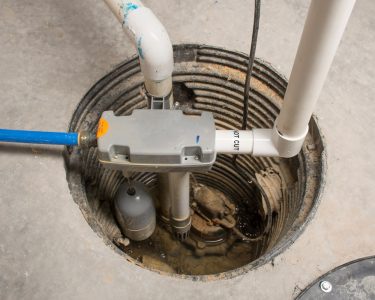
Effective NJ mold remediation always includes identifying and correcting the moisture source. This may involve repairing leaks, improving drainage, sealing foundations, or managing indoor humidity levels. These steps are also essential for preventing mold recurrence after remediation.
Why Professional NJ Mold Remediation Is Important for Homeowners
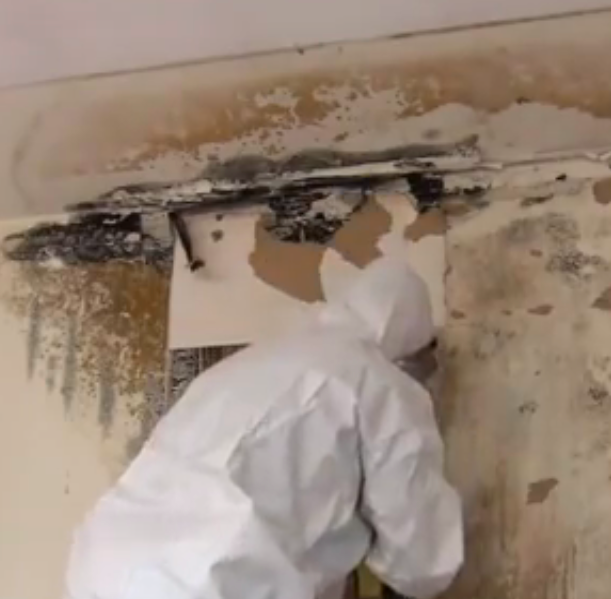
DIY cleanup often removes visible mold but leaves contamination behind. Without proper containment and air filtration, spores can spread to unaffected areas.
Professional NJ mold remediation uses controlled removal, negative air pressure, and verification testing to ensure mold is actually eliminated. This is why homeowners often seek out the best NJ mold remediation companies when dealing with severe or recurring mold problems.
Health and Safety Risks of Living in a Mold-Affected House
Everyone has a different reaction to mold. Some people experience no symptoms, while others may develop respiratory irritation or allergic reactions.
Saving a home means restoring safe indoor air quality. Professional remediation focuses on reducing airborne spores and preventing ongoing exposure. In some cases, testing is an important first step, which is why mold inspections are commonly recommended during renovations and major repairs, especially in older homes or high-moisture environments such as those discussed in NYC renovation-related mold testing guidance.
What Homeowners Should Do if They Think Their House Has Severe Mold
Acting quickly can significantly improve remediation outcomes. Waiting often allows mold to spread deeper into materials.
Practical steps homeowners should take include:
- Avoid disturbing visible mold
- Stop active leaks or water intrusion
- Do not rely on surface cleaners alone
- Seek professional evaluation before renovations
Homeowners unsure whether their situation requires inspection or remediation may benefit from reviewing common signs that indicate a professional mold inspection is needed.
Common Myths About Mold-Infested Houses
Many homeowners delay action due to misinformation. Clearing up these myths helps people make better decisions.
One common myth is that a house with mold must be torn down. Another is that bleach permanently solves mold problems. In reality, mold remediation is a controlled process designed to remove contamination and prevent recurrence.
How Long Does It Take to Restore a Mold-Damaged Home?
The timeline for NJ mold remediation varies based on severity and scope. Small, localized projects may take only a few days.
More extensive remediation involving structural repairs can take several weeks. While timelines vary, professional planning helps cut disruption and guarantee long-term results.
What Impacts the Cost of Saving a Mold-Infested House?
Costs depend on size, severity, materials affected, and repair needs. Homes with early intervention usually cost less to restore.
Delaying remediation often increases both cost and complexity. Addressing mold promptly is one of the most effective ways to protect a home’s value.
Key Takeaways for Homeowners Dealing With Mold
- It’s possible to save most mold-infested homes
- Early action improves remediation success
- Structural condition matters more than surface appearance
- Moisture control is essential for preventing mold recurrence after remediation
- Professional NJ mold remediation protects long-term safety
A Mold-Infested House Can Often Be Saved
Finding mold in your house is serious, but it is rarely the end of the road. With proper evaluation, moisture control, and professional NJ mold remediation, your home can be saved.
Understanding the factors involved helps homeowners replace fear with informed action. Reliable information and experienced professionals specializing in NJ mold remediation can make the difference between ongoing problems and a healthy, livable home.