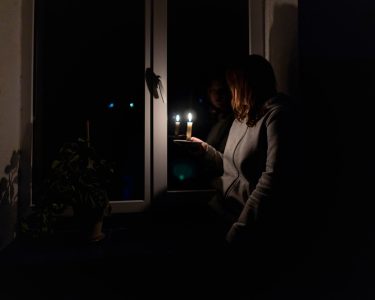

The lights flicker suddenly, then go dark. A breaker’s tripped in your New Jersey home, in the middle of winter. Maybe it was the heat kicking on. Or one outlet drawing too much power. Whatever the cause, too many homeowners shrug off these moments. They just reset the breaker and gamble on whether or not it happens again.
But these are small electrical warning are the harbingers of larger electrical safety issues hidden in your walls. And those usually don’t improve with time. Quite the opposite, actually.
Many homeowners ask, “Can electrical problems fix themselves?” The answer is almost always no. Electrical systems get worse instead of healing.
Your home should feel stable and predictable. Lights shouldn’t dim when appliances run, and the breaker panel shouldn’t hum in the background. The consequences of these problems aren’t just inconvenient, they pose serious risks of fire and financial loss.
Let’s explore 10 clear signs it’s time to call a licensed residential electrician before a minor issue becomes a major one.
Quick Answer: When Should You Call a Licensed Electrician Immediately?
You should call a licensed residential electrician immediately if you notice:
- Frequent breaker trips
- Burning smells
- Flickering lights
- Buzzing from your panel
- Warm outlets
- Unexplained power loss
- Mild electrical shocks
These electrical warning signs often indicate serious electrical safety hazards that can increase fire risk if left unaddressed.
Why Hiring a Licensed Electrician in NJ Protects Your Home and Investment
NJ Electrical Codes, Permits, and Why They Matter for Homeowners
New Jersey enforces strict electrical codes and licensing standards for a reason. Electrical systems are complex, and improper work can create long-term hazards that aren’t immediately visible.
Working with an NJ licensed electrician guarantees your work meets state requirements. It’ll pass inspection and comply with permitting rules. The documentation also comes in handy during resale or insurance claims. DIY reparis should be avoided. They may seem cheaper upfront, but that’s the siren’s call that can lead to future liabilities and inspection issues.
Behind every safe installation is a properly sourced component system, which is why experienced electricians often rely on trusted supply channels. If you’re curious why sourcing matters, here’s a helpful breakdown of why your project needs a local electrical supply partner.
The Risks of DIY and Unlicensed Electrical Work
Improper grounding, overloaded circuits, and loose connections don’t always fail immediately. They often deteriorate slowly when shouldering the burden of NJ’s cold winters and hot summers.
What happens if you ignore electrical warning signs or attempt temporary fixes? Small wiring issues can escalate into overheating, arc faults, or even electrical fires.
Electrical malfunctions are one of the leading causes of residential fires nationwide. That’s why you should never overlook long-term electrical safety hazards.
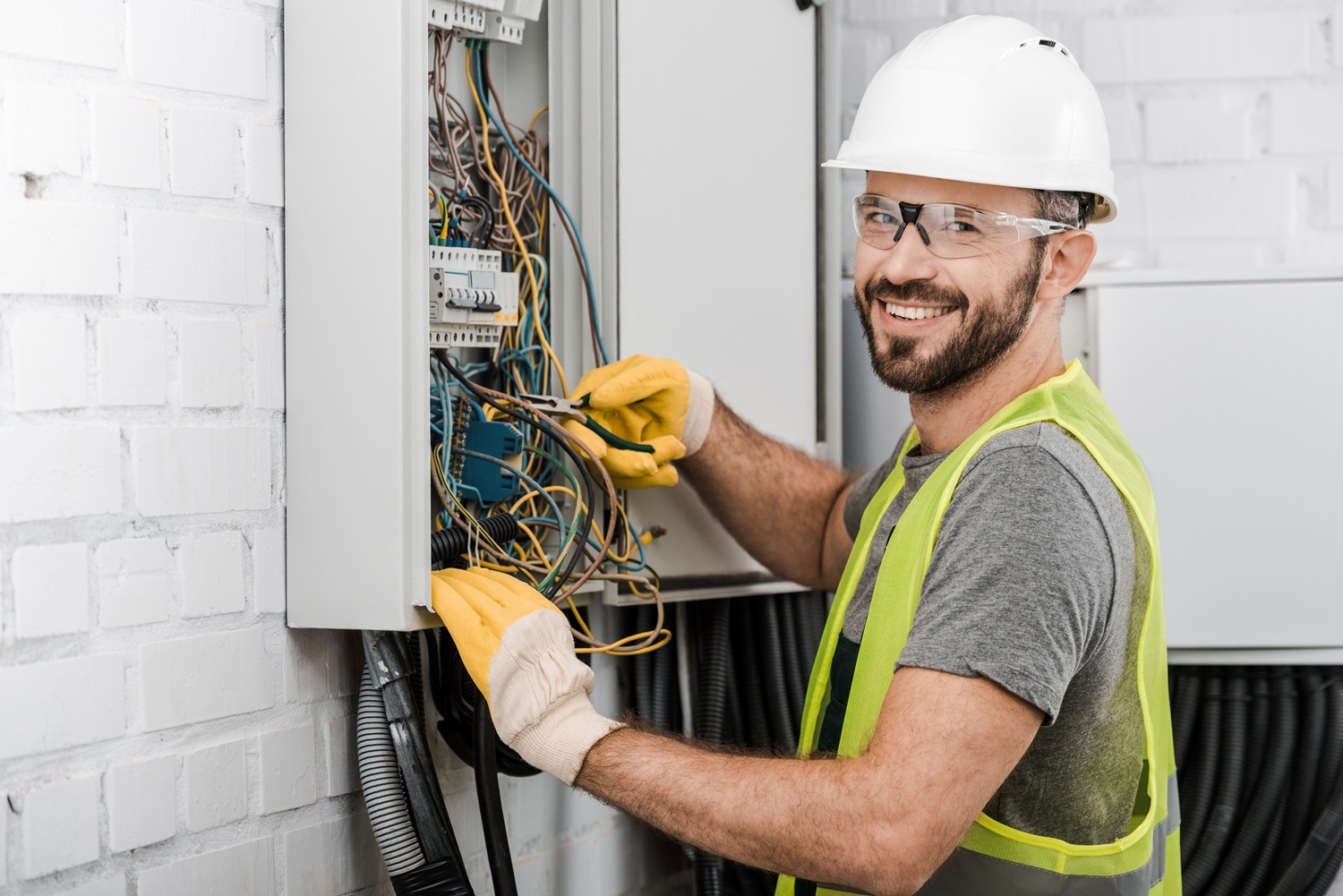
A licensed residential electrician does more than just repair visible problems. They check your entire residential electrical system to make sure it safely supports your home’s load demands.
10 Electrical Warning Signs NJ Homeowners Should Never Ignore
1. Frequent Circuit Breaker Trips That Signal Bigger Home Electrical Issues
It’s not unusual for a breaker to trip every once in a while. It’s designed to do that in order to protect your home from overload.
But the same breaker tripping over and over is a common electrical warning sign. Usually, chronic trips signal the circuit’s overloaded. Modern homes draw far more power than they did decades ago, with HVAC systems, EV chargers, kitchen appliances, and home offices all competing for capacity.
Repeated resets treat the symptom, not the root cause. They increase wear on your grid and can raise electrical fire risk over time.
Homeowners often ask, “How do I know if my home needs an electrical panel upgrade?” If breakers trip frequently, lights dim under load, or you rely heavily on extension cords, your panel may not have enough capacity for modern demand. A licensed residential electrician can determine whether your home needs a panel upgrade.
2. Burning Smells or Warm Outlets That Indicate Electrical Safety Hazards
This is a huge red flag that should never be ignored.
A faint burning odor near an outlet, switch, or electrical panel can indicate overheating wiring. Warm outlets often signal loose connections or internal failure behind the wall.
Is a burning smell from an outlet dangerous? Yes. Overheated wires can ignite surrounding materials quickly and escalate into a serious fire risk.
If you notice this:
- Turn off power to the affected area
- Stop using the outlet immediately
- Call a licensed electrician right away
3. Flickering or Dimming Lights Throughout Your Home
Just like a breaker tripping, it’s normal for lights to flicker during storms. But when it becomes common and consistent, especially when there’s not a storm, that becomes a problem.
Loose wiring, overloaded circuits, or insufficient panel capacity may be to blame. If lights dim when your AC starts or your microwave runs, your electrical system may be stretched too thin.
If you’re upgrading lighting as part of a remodel, choosing the right fixtures and load planning matters. This comparison of LED vs traditional lighting explains why modern lighting choices can reduce strain on your system.
Homeowners often ask, “Are flickering lights dangerous?” They can be. Persistent flickering may indicate unstable voltage or wiring problems that increase electrical fire risk.
If the whole home’s flickering, it might be a service or panel issue. Single-fixture flickering may indicate localized wiring problems. Either way, it warrants professional attention.
4. Buzzing or Crackling Sounds Coming from Your Electrical Panel
If you’re wondering, “Is it normal for a breaker panel to make noise?” The answer is no. Panels should operate quietly and never buzz.
What causes buzzing in electrical panels? Common causes include loose breakers, overloaded circuits, failing components, or improperly seated connections.
This is never a DIY repair. If you hear unusual sounds, contact a licensed electrician immediately.
5. Dead Outlets or Light Switches That Stop Working
An outlet that suddenly stops working may have a simple explanation, such as a tripped GFCI. But repeated or widespread outlet failures can signal internal wiring problems.
In older NJ homes, aging wiring systems can degrade over time. Loose connections behind walls may interrupt power and increase resistance.
If you own an older or historic property, electrical upgrades often need to be handled carefully alongside design preservation. This overview of what questions guide historic home interior updates in Denville NJ highlights how infrastructure improvements and aesthetics often go hand in hand.
Dead outlets may seem minor, but they often indicate deeper home electrical issues that you’ll need to get to the bottom of.
6. Frequently Blown Fuses in Older NJ Homes
If your home still uses a fuse box instead of a breaker panel, you’re operating with outdated technology.
Homes built before 1980 in New Jersey weren’t designed for today’s electrical demands. Frequent blown fuses are your home’s way of telling you your circuits are undersized or the infrastructure’s too old.
If you’re asking, “Should I replace my fuse box?” The answer is often yes when frequent failures occur. A licensed residential electrician can assess whether your system needs modernization.
7. Sparks When Plugging in Appliances or Devices
Occasional static discharge can happen. But visible sparks when plugging in appliances often indicate worn receptacles, loose wiring, or improper grounding.
Loose outlets can arc internally, generating heat and increasing fire risk. If sparks are frequent or accompanied by burning smells, that’s an emergency, so you should call a licensed electrician.
8. Shock or Tingling Sensations When Touching Appliances
If you feel a mild shock when touching an appliance, something is wrong.
Grounding problems or faulty wiring can energize metal surfaces. This is not normal behavior and requires immediate attention.
Electrical shocks are one of the clearest signs you need a licensed electrician immediately.
9. Overloaded Power Strips and Extension Cords as a Permanent Fix
How often do you use extension cords or power strips? Do you chain them together?
If you do, your residential electrical system lacks sufficient outlets or dedicated circuits. Today’s appliances and devices demand more power than older homes were built to handle.
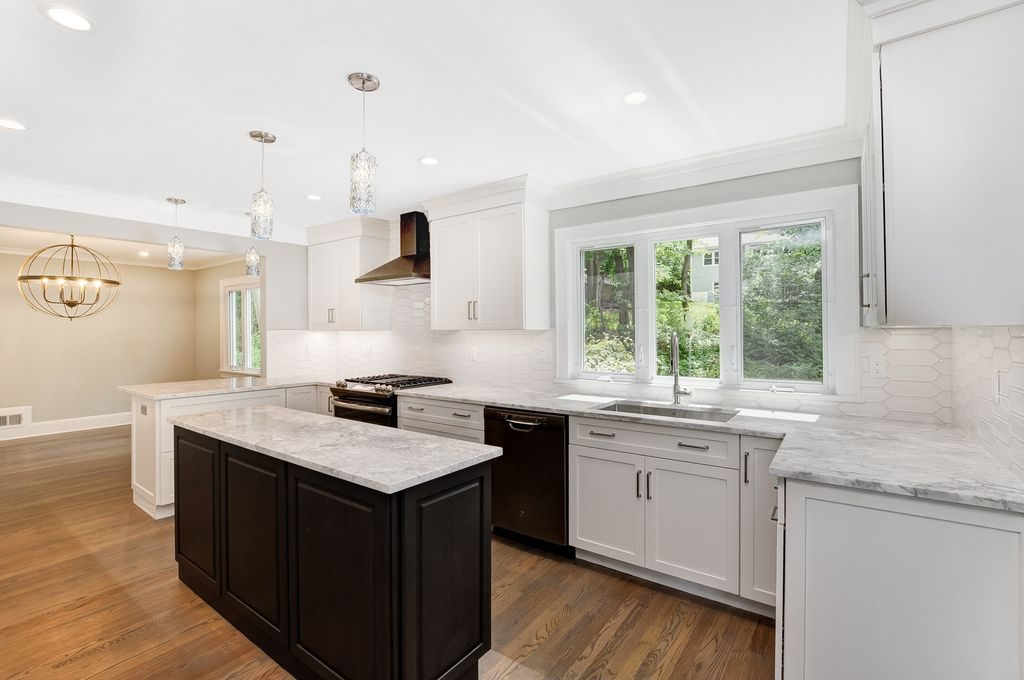
This is especially common during kitchen renovations where additional appliances are added without electrical upgrades. Avoiding common remodel mistakes, like those outlined in mistakes when kitchen remodeling in New Jersey, can help prevent overload problems before they start.
Upgrading circuits or improving panel capacity makes your home safer and easier to enjoy.
10. Sudden Increases in Energy Bills with No Clear Cause
If your energy usage hasn’t changed but your bill has, hidden inefficiencies may be to blame.
Can electrical problems raise your energy bill? Yes. Faulty wiring and aging components can increase resistance and force systems to work harder.
An inspection by a licensed electrician can uncover inefficiencies before they become major problems.
Why Delaying Electrical Repairs Increases Fire Risk in NJ Homes
Electrical fires often begin quietly. Overheated wires, arc faults, and overloaded circuits generate heat inside walls where you can’t see it.
One loose connection or overloaded circuit can push wiring beyond its limits and ignite insulation.
These issues won’t fix themselves. They get worse over time, especially during extreme seasons like NJ winters and summers.
Addressing issues early significantly reduces fire risk.
Why Older NJ Homes Need Regular Electrical Monitoring
New Jersey has many older homes with outdated panels, aluminum wiring, or aging systems not designed for today’s load demands.
Seasonal humidity and temperature fluctuations can also affect wiring connections over time.
If your home is more than 30 years old and hasn’t had a professional evaluation by a licensed residential electrician, invest in some proactive monitoring.
What a Licensed Electrician Checks During a Home Electrical Inspection
A licensed electrician will usually:
- Check the panel and breaker condition
- Test load capacity
- Inspect visible wiring and connections
- Verify proper grounding
- Review code compliance
The goal is to make sure your residential electrical system safely supports your lifestyle.
When to Call a Licensed Electrician Immediately vs Schedule Service
Call a licensed electrician immediately if you notice:
- Burning smells
- Visible sparks
- Buzzing or crackling from the panel
- Smoke
Schedule prompt service if you notice:
- Flickering lights
- Dead outlets
- Repeated breaker trips
Understanding the difference allows you to respond appropriately and protect your home.
Key Takeaways: Clear Signs You Need a Licensed Electrician
- Frequent breaker trips are a major electrical warning sign
- Burning smells and warm outlets indicate serious electrical safety hazards
- Flickering lights and buzzing panels can signal dangerous wiring issues
- Delaying repairs increases electrical fire risk significantly
- A licensed electrician ensures safe, code-compliant solutions
Protecting Your NJ Home Starts with Proactive Electrical Safety
Electrical systems rarely demand attention until something fails. Paying attention to early warning signs protects both your home and your peace of mind.
Monitoring your system, addressing small issues early, and hiring a licensed residetial electrician when needed keeps your home safe and comfortable for years to come.
Small problems caught early prevent major disasters.
Your home should power your life, not put it at risk.